


What Are Standard Car Carrier Trailer Dimensions and How Do They Impact Transport Efficiency?
April 3, 2026
Car carrier trailer dimensions typically range between 13 to 18 meters in length, 2.5 to 2.6 meters in width, and up to 4 meters in height, depending on regional regulations and configuration. However, these figures are not fixed. Dimensions vary based on trailer type, load capacity, hydraulic systems, and customization requirements. For logistics operators and fleet managers, understanding these dimensional variables is essential because they directly influence vehicle capacity, compliance, route planning, and overall transport efficiency.
Key Standard Dimensions of Car Carrier Trailers
Car carrier trailers are engineered within a framework of legal limits and operational requirements. While the numbers may seem straightforward, each measurement plays a strategic role in performance.
Length
The overall length of a car carrier trailer typically falls between 13,000 mm and 18,000 mm. Longer trailers can accommodate more vehicles but may face restrictions in certain regions or urban environments.
Extended-length configurations are often used for highway transport, where maximizing load per trip is a priority.
Width
Width is generally limited to 2,500 mm to 2,600 mm in most international markets. This constraint ensures compatibility with road regulations while allowing safe loading of standard passenger vehicles.
Height
Height is a critical factor, especially for double-deck trailers. The maximum allowable height is usually around 4,000 mm, including the loaded vehicles. Adjustable decks help optimize vertical space without exceeding legal limits.
Deck Configuration
Single-deck and double-deck configurations significantly affect how dimensions are utilized. Double-deck trailers maximize vertical space, enabling higher transport efficiency.
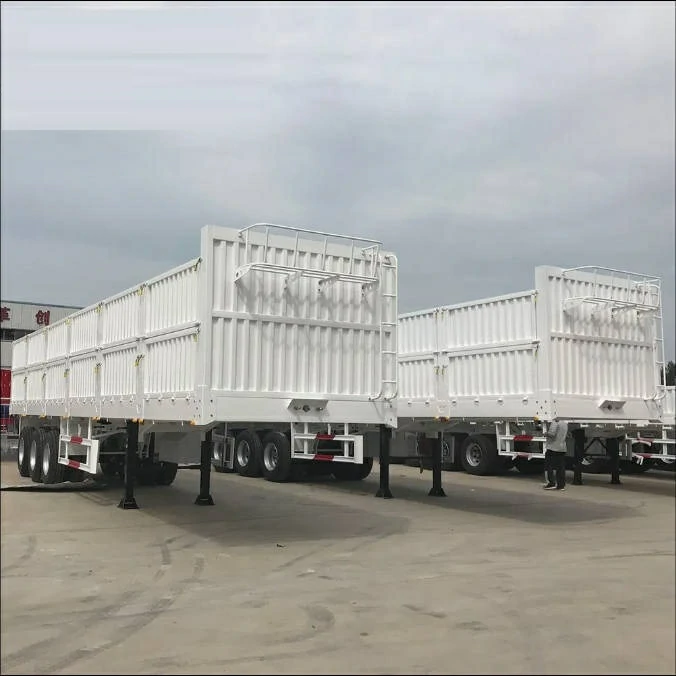
A modern car carrier semi trailer is often designed with adjustable decks to accommodate vehicles of varying heights, from sedans to SUVs.
How Dimensions Affect Transport Capacity
Dimensions are not just measurements; they define how many vehicles you can move per trip and how efficiently your fleet operates.
Vehicle Loading Capacity
Longer and taller trailers can carry more vehicles, but loading efficiency depends on deck design and spacing. A well-designed trailer can transport 6 to 10 vehicles without compromising safety.
Weight Distribution
Proper dimensional design ensures balanced weight distribution across axles, reducing wear and improving road safety.
Accessibility and Maneuverability
While larger dimensions increase capacity, they can reduce maneuverability in tight urban environments or loading areas.
Operational Efficiency
Optimized dimensions reduce the number of trips required, lowering fuel consumption and labor costs.
Regional Regulations and Compliance Requirements
Car carrier trailer dimensions must comply with local transportation laws, which vary by region.
North America
In the United States, federal regulations typically allow trailer lengths up to 53 feet (approximately 16.15 meters), with height limits around 13.5 feet (4.1 meters).
Europe
European standards generally limit overall height to 4 meters and width to 2.55 meters, with strict enforcement on load security.
Asia and Emerging Markets
Regulations may vary widely, requiring customized designs to meet local compliance standards.
Working with experienced truck trailer manufacturers ensures that your trailers meet all relevant regulatory requirements for your target markets.
Customization Options for Optimized Dimensions
Standard dimensions are only the starting point. Customization allows businesses to align trailer design with specific operational needs.
Adjustable Deck Systems
Hydraulic or manual adjustable decks enable flexible loading for different vehicle types, improving space utilization.
Axle Configuration
The number and placement of axles affect both load capacity and compliance with weight regulations.
Specialized Designs
Some trailers are designed for specific vehicle types, such as luxury cars or heavy SUVs, requiring tailored dimensions and reinforcement.
Modular Extensions
Expandable or modular designs provide scalability, allowing fleets to adapt to changing transport demands.
Comparison of Car Carrier Trailer Dimensions by Type
Different trailer types offer varying dimensional advantages depending on their intended use.
Table 1: Typical Dimensions by Car Carrier Trailer Type
| Trailer Type | Length (mm) | Width (mm) | Height (mm) | Capacity (Vehicles) |
|---|---|---|---|---|
| Single-Deck | 13,000–15,000 | 2,500 | 2,500–3,000 | 2–4 |
| Double-Deck | 15,000–18,000 | 2,550 | Up to 4,000 | 6–10 |
| Enclosed Carrier | 12,000–16,000 | 2,500 | Up to 4,000 | 2–6 |
| Hydraulic Carrier | 15,000–18,000 | 2,550 | Up to 4,000 | 6–10 |
How to Choose the Right Dimensions for Your Fleet
Selecting the correct dimensions requires balancing capacity, compliance, and operational efficiency.
Analyze Transport Needs
Determine the types and volumes of vehicles you transport. Mixed fleets may require more flexible configurations.
Consider Route Constraints
Urban routes, narrow roads, and low-clearance bridges can limit allowable dimensions.
Evaluate Cost vs Efficiency
Larger trailers offer higher capacity but may come with increased costs and regulatory challenges.
Partner with Reliable Manufacturers
Choosing reputable semi trailer brands ensures access to high-quality designs and customization options that meet your operational goals.
Future Trends in Car Carrier Trailer Design
The evolution of trailer dimensions is shaped by technological advancements and industry demands.
Lightweight Materials
The use of high-strength steel and aluminum reduces weight while maintaining structural integrity, allowing for higher payload capacity.
Smart Design Integration
Advanced modeling and simulation tools enable manufacturers to optimize dimensions for maximum efficiency.
Sustainability Considerations
Improved aerodynamics and weight reduction contribute to lower fuel consumption and reduced emissions.
Automation and Safety
Innovations in loading systems and safety features are enhancing operational efficiency and reducing risks.
FAQ: Car Carrier Trailer Dimensions
What are the standard car carrier trailer dimensions?
Typically, lengths range from 13 to 18 meters, widths around 2.5 to 2.6 meters, and heights up to 4 meters, depending on regulations.
How many cars can a carrier trailer transport?
Most double-deck trailers can carry between 6 and 10 vehicles, depending on size and configuration.
Are dimensions customizable?
Yes, manufacturers offer customization options to meet specific operational and regulatory requirements.
Do larger trailers always mean better efficiency?
Not necessarily. Larger trailers increase capacity but may face maneuverability and regulatory limitations.
How do I ensure compliance with regulations?
Work with experienced manufacturers and verify local transport laws before finalizing specifications.
About Fuyuan
Fuyuan is a professional semi trailer manufacturer dedicated to delivering high-quality transport solutions for global logistics operations. With advanced production technology, strict quality control, and a focus on customization, Fuyuan provides reliable car carrier trailers designed to meet diverse industry requirements. By combining engineering expertise with customer-focused service, Fuyuan helps businesses optimize efficiency, safety, and long-term value.
References



