



Semi Trailer Manufacturer for Diverse Transport Applications
Fuyuan provides semi trailer solutions for logistics, construction, mining, agriculture, energy, and specialized transportation. Our product range covers flatbed and platform trailers, lowbed and low loader trailers, tipper and dump trailers, tank trailers, and other transport configurations. Buyers can compare trailer types according to cargo, payload requirements, axle configuration, loading methods, and road conditions.
Depending on the selected model, customization can be discussed for trailer dimensions, structural design, suspension, braking systems, and cargo-handling equipment. Explore our product categories to identify a suitable configuration for your fleet, then contact Fuyuan to discuss technical requirements, target-market regulations, and project quotations.
-
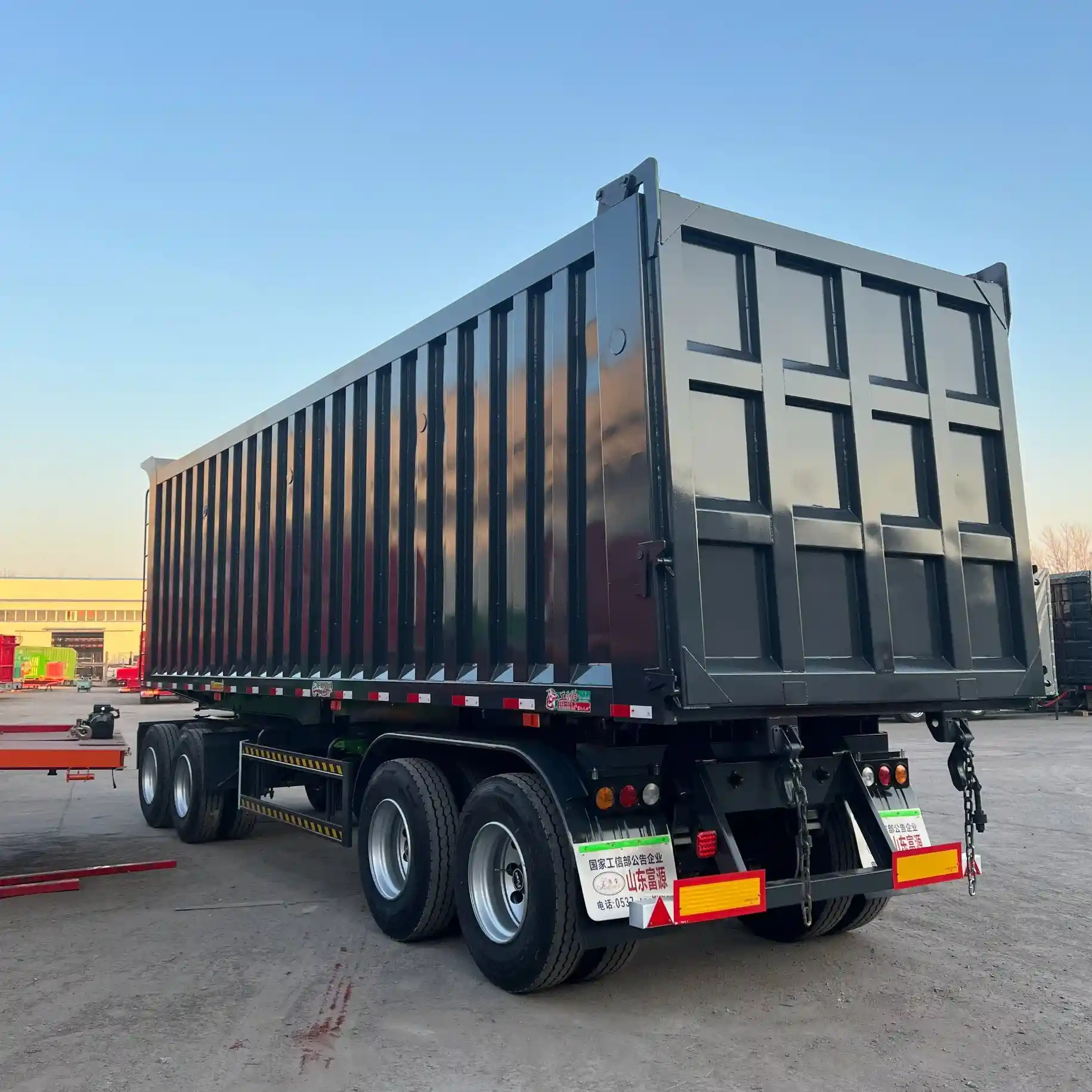
4-Axle Full Trailer
-
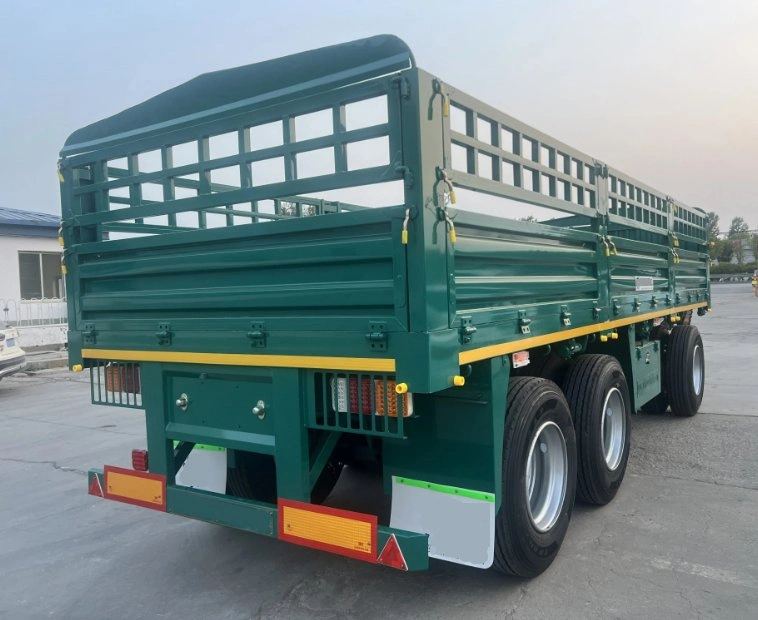
3-Axle Full Trailer
-
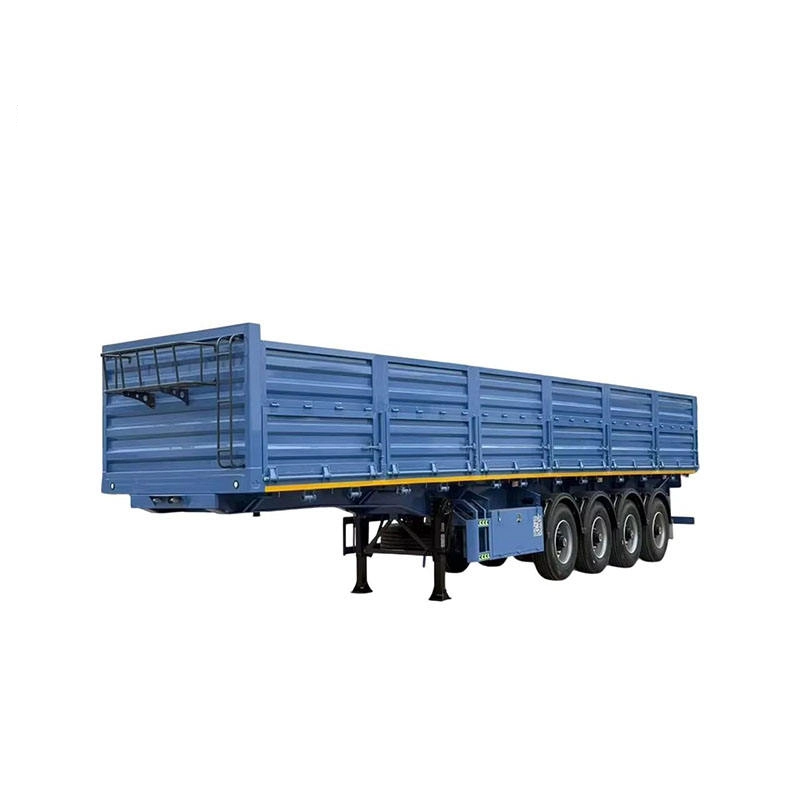
4-Axle Side Wall Semi-Trailer
-
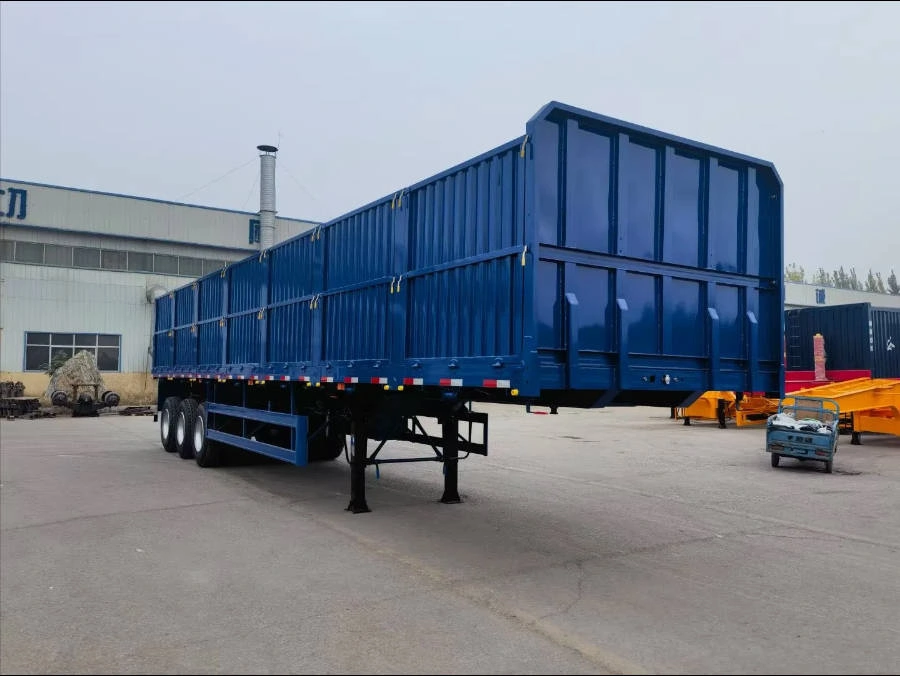
3-Axle Side Wall Semi-Trailer
-
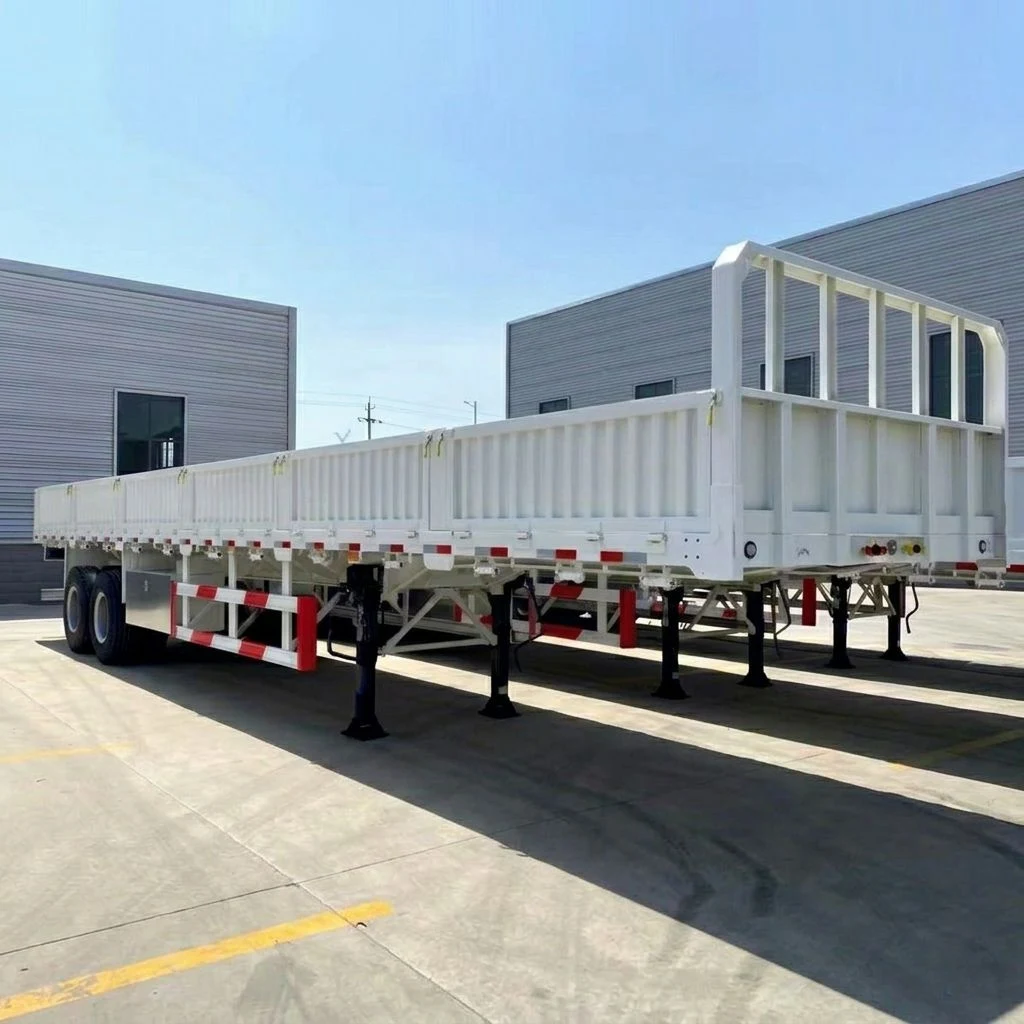
2-Axle Side Wall Semi-Trailer
-
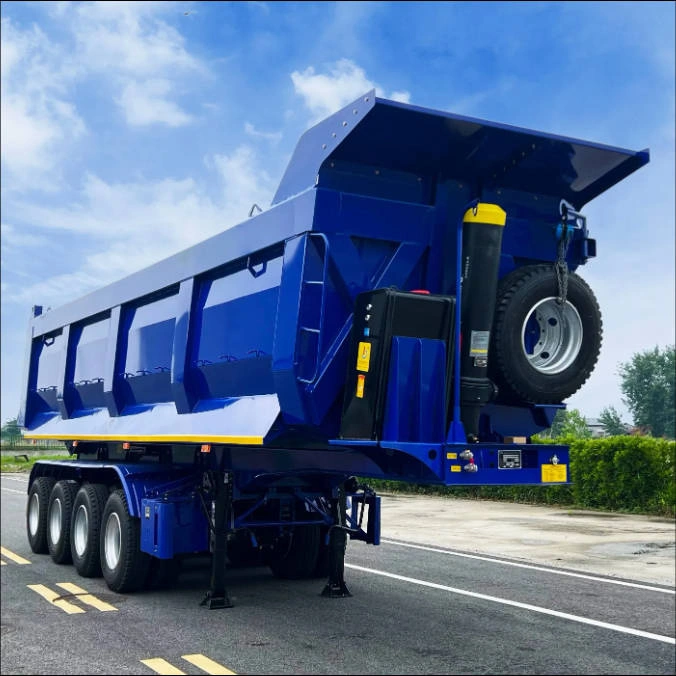
4-Axle Rear Dump Semi-Trailer
-
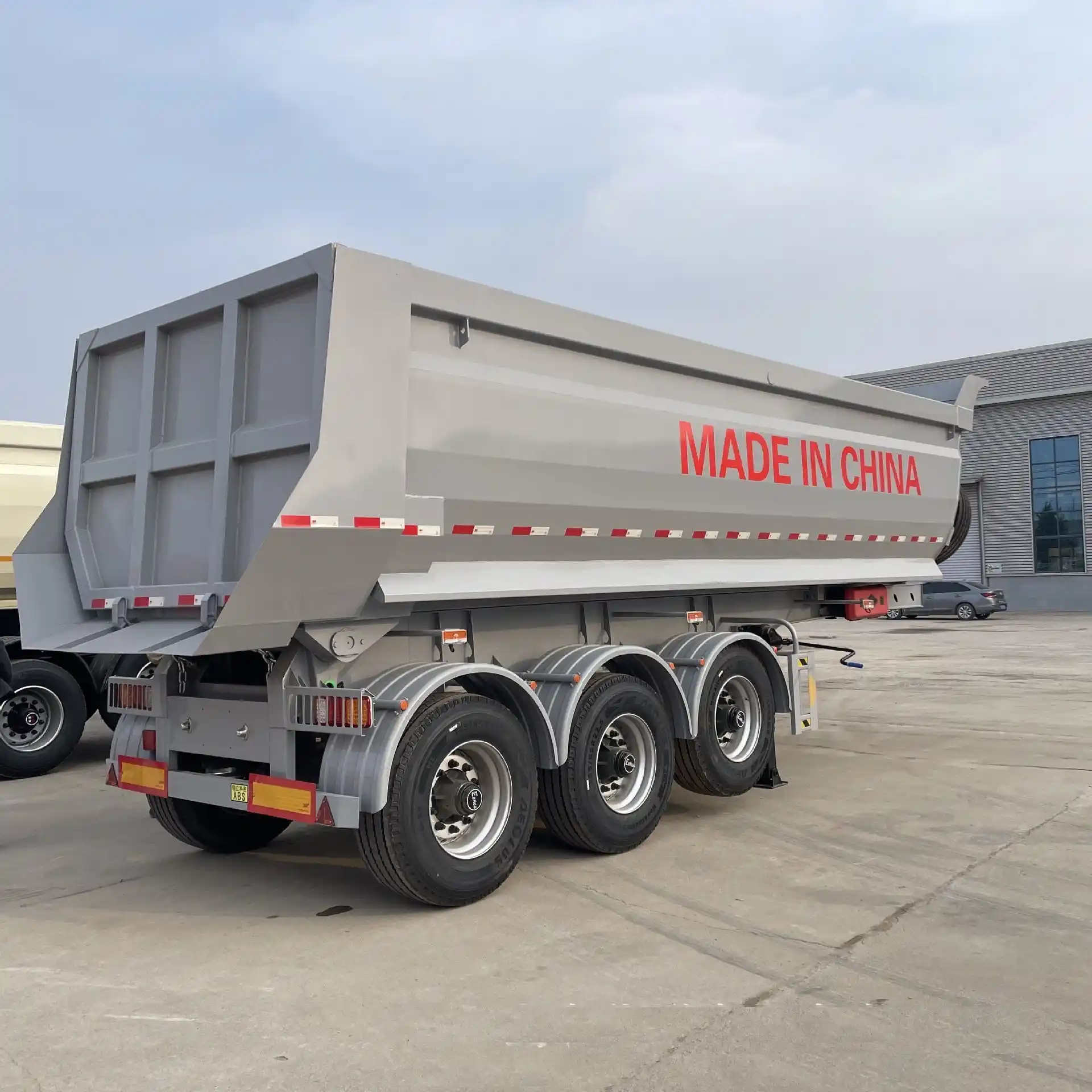
3 Axle Hydraulic Rear Tipping Semi Trailer Sand Stone Ore Dumping Semi Trailer
-
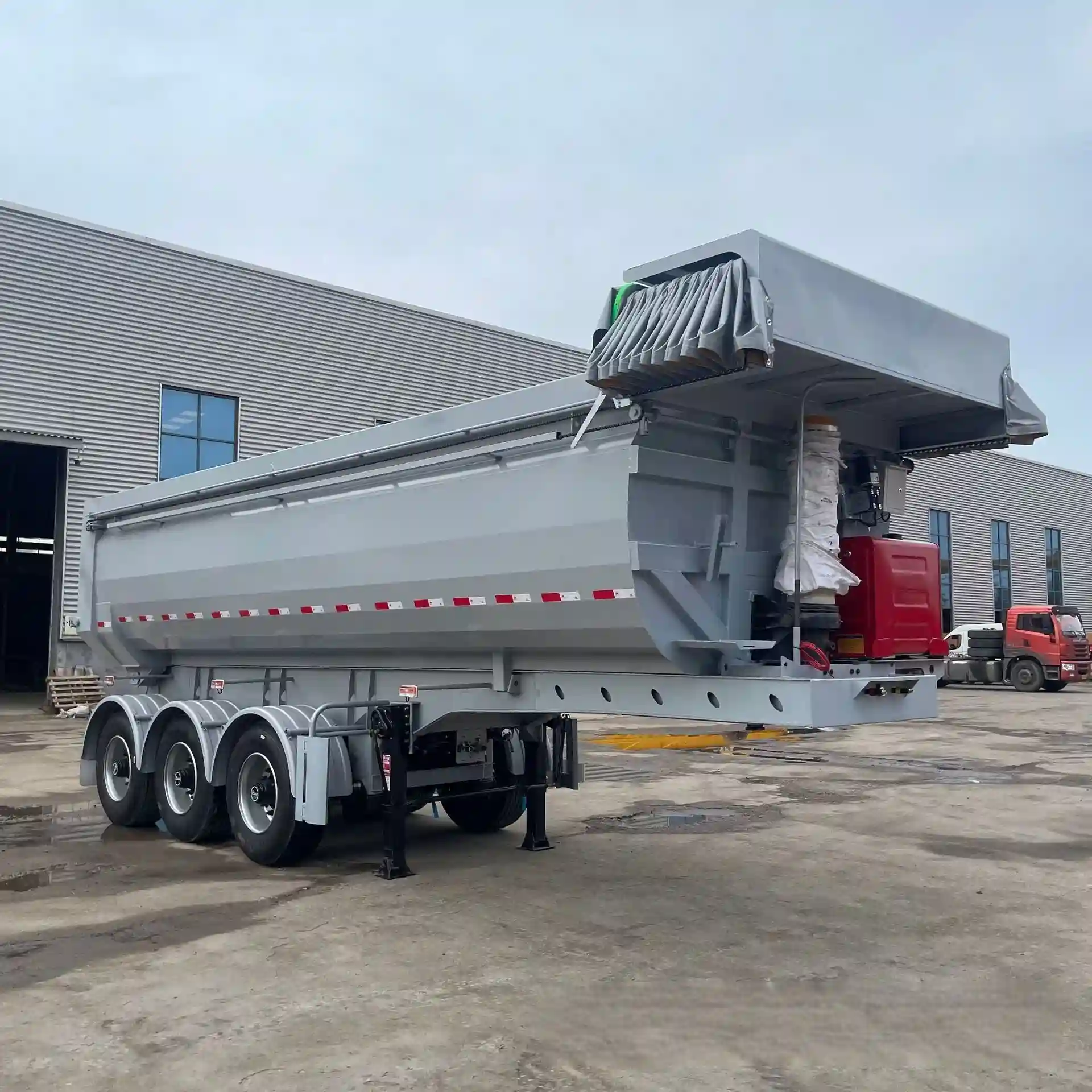
3-Axle Rear Dump Semi-Trailer
-

3-Axle Side Dump Semi Trailer
Semi Trailer Solutions by Cargo Type
Different cargo types require different trailer structures. Selecting a trailer based on the load, loading method, and operating environment helps establish a suitable configuration before detailed engineering begins.
Flatbed & Platform Semi Trailers
Flatbed semi trailers provide an open loading platform for containers, steel products, machinery, lumber, and other general cargo. Their configuration can be adapted to cargo dimensions, container requirements, and loading equipment.
Key selection factors include platform length, payload, axle configuration, deck structure, and cargo-securing points.
Explore our Flatbed & Platform Trailers for container transport, industrial logistics, and oversized cargo applications.
Lowbed & Low Loader Semi Trailers
Lowbed trailers are designed for transporting excavators, bulldozers, construction machinery, and other heavy equipment. Their low loading platforms help manage overall transport height, while axle arrangements and deck structures must be selected according to equipment weight and load distribution.
Key selection factors include equipment dimensions, loading height, axle load, ramp configuration, and route restrictions.
View our Lowbed & Low Loader Trailers for heavy machinery and specialized equipment transport.
Tipper & Dump Semi Trailers
Tipper and dump trailers transport sand, gravel, soil, ore, and other bulk materials that require mechanical unloading. Rear-dump and side-dump configurations serve different site layouts and unloading requirements.
Key selection factors include cargo density, body volume, tipping direction, hydraulic system, and unloading conditions.
Visit our Dump Semi Trailer range to compare configurations for construction, mining, and bulk material transport.
Tank Trailers
Tank trailers transport selected liquid or dry bulk materials using tank structures and discharge systems designed for the intended cargo. Fuel, water, chemical liquids, cement, and powdered materials can require substantially different equipment.
Key selection factors include cargo compatibility, tank capacity, tank material, compartment layout, loading and unloading systems, and applicable regulations.
Explore our Tank Trailer range for liquid transport and pneumatic dry bulk applications.
Sidewall & Fence Semi Trailers
Sidewall and fence trailers provide side containment for bagged goods, agricultural products, construction materials, and other cargo that benefits from removable or fixed side structures.
Selection depends on cargo dimensions, loading access, sidewall height, body configuration, and cargo-securing requirements.
Curtain-Side & Van Trailers
Curtain-side and enclosed van trailers support the transport of palletized goods, packaged products, and general cargo. The choice depends on weather protection, loading access, cargo security, and warehouse handling requirements.
Skeleton & Container Chassis Trailers
Skeleton and container chassis trailers are designed for container transport between ports, terminals, distribution centers, and inland logistics facilities. Buyers should confirm container size, locking-point arrangement, axle configuration, and local road regulations.
Specialized Transportation Trailers
Specialized trailer solutions include refrigerated trailers, car carriers, and other configurations designed for specific cargo or handling requirements. Selection should begin with the cargo dimensions, loading method, environmental requirements, and operating route.
How to Choose the Right Semi Trailer
The appropriate trailer depends on more than nominal payload. Cargo dimensions, weight distribution, road restrictions, unloading methods, and regulatory requirements all affect the final configuration.
| Cargo | Payload consideration | Axle configuration | Road and operating conditions | Recommended trailer |
|---|---|---|---|---|
| Containers, steel, timber | Cargo weight, deck capacity, and legal gross weight | Based on loaded weight and axle limits | Highways, ports, logistics yards | Flatbed / Platform |
| Excavators and heavy machinery | Equipment weight, concentrated loads, and transport height | Based on axle loads and route limits | Highways, construction and mining sites | Lowbed / Low Loader |
| Sand, gravel, and soil | Bulk density, body volume, and legal payload | Based on gross weight and tipping conditions | Construction sites, quarries, mining roads | Tipper / Dump |
| Fuel and liquid cargo | Liquid density, tank volume, and compartment layout | Based on loaded weight and applicable regulations | Fuel distribution and liquid logistics routes | Tank Trailer |
| Powdered bulk materials | Material density, tank volume, and discharge requirements | Based on loaded weight and tank design | Cement plants and industrial bulk routes | Dry Bulk Tanker |
| Palletized or bagged goods | Cargo dimensions, loading pattern, and securing method | Based on cargo distribution and legal limits | Regional and long-distance freight routes | Flatbed / Sidewall / Curtain-Side |
The axle counts and payload capacities shown in a quotation should be confirmed against the selected model and the destination market. A trailer's technical capacity does not automatically equal its legally permitted payload on every route.
Featured Semi Trailer Models
The following models represent useful starting points for product selection. Confirm current availability, technical specifications, and customization options with Fuyuan before finalizing a purchase.
40 ft / 3-Axle Flatbed Semi Trailer
Designed for container transport and industrial cargo. Confirm deck dimensions, twist-lock positions, axle configuration, and payload requirements according to the intended operation.
45 ft / 4-Axle Flatbed Semi Trailer
A platform option for longer cargo or container transport where the applicable configuration and road regulations permit. Final dimensions and load distribution should be confirmed for the destination market.
Heavy-Duty Lowbed Semi Trailer
Designed for moving excavators, bulldozers, and other construction equipment. Platform height, ramp arrangement, equipment dimensions, and axle loads should be evaluated together.
U-Shaped End Dump Semi Trailer
A dump-trailer configuration for bulk materials. Body geometry, hydraulic lifting equipment, cargo characteristics, and unloading conditions determine the appropriate design.
Fuel Tank Semi Trailer
Designed for petroleum and other specified liquid transport applications. Tank material, capacity, compartment layout, valves, and safety equipment must match the intended cargo and applicable regulations.
Pneumatic Dry Bulk Tanker Trailer
Designed for powdered materials such as cement, fly ash, and lime where compatible equipment is available. Tank capacity, pneumatic conveying components, and discharge requirements should be confirmed for the material being transported.
Custom Semi Trailer Manufacturing Process
Step 1: Cargo and Application Assessment
Provide the cargo type, dimensions, weight, loading method, operating route, and destination market. These details establish the main technical requirements.
Step 2: Configuration Selection
Review trailer type, axle arrangement, structural design, suspension, braking system, and cargo-handling equipment. Specialized applications may require additional engineering review.
Step 3: Technical Confirmation and Quotation
Confirm the proposed dimensions, materials, components, applicable standards, delivery terms, and quotation scope before production begins.
Step 4: Manufacturing and Quality Inspection
Production and inspection should follow the approved technical specification. Relevant checks may include dimensional verification, welding inspection, component installation, braking checks, and product-specific functional tests.
Step 5: Delivery and Documentation
Confirm the delivery schedule, shipping arrangements, documentation, and any inspection or certification requirements applicable to the order and destination market.
Manufacturing Capability, Quality Control and Compliance
For commercial trailer purchases, factory capability should be supported by verifiable evidence. Fuyuan's product evaluation materials should show the manufacturing processes, inspection procedures, and technical documentation relevant to the selected trailer.
Manufacturing Evidence
Include actual factory photographs of frame fabrication, welding, component assembly, tank manufacturing where applicable, surface treatment, and final assembly. Each photograph should identify the process or product shown.
Quality Inspection
Describe only the inspections performed for the relevant product. Depending on the trailer type and approved specification, these may include dimensional checks, welding inspection, brake-system checks, hydraulic function tests, or tank-specific testing.
Certification and Market Compliance
Trailer regulations differ by destination market and product application. Buyers should confirm the applicable requirements for vehicle registration, dimensions, axle loads, braking systems, tank design, and dangerous-goods transport where relevant.
Fuyuan should list certification names only where supporting documents establish their validity and scope. Any certification statement should identify the applicable model or product family rather than implying universal coverage.
Frequently Asked Questions
How do I choose the right semi trailer for my cargo?
Start with the cargo type, dimensions, weight, loading method, and unloading requirements. Then assess axle loads, trailer dimensions, road restrictions, and destination-market regulations.
Can Fuyuan customize semi trailers?
Customization requirements can be evaluated according to the selected trailer type. Provide the desired dimensions, cargo specifications, operating conditions, and destination market so the technical team can confirm feasible options.
How many axles does a semi trailer need?
The appropriate axle configuration depends on the loaded weight, weight distribution, axle ratings, road regulations, and operating conditions. Higher axle counts do not automatically guarantee a particular legal payload.
What information is needed for a quotation?
Provide the trailer type, cargo, required payload, dimensions, axle configuration if known, destination country, expected quantity, and any special equipment requirements.
Can a trailer meet the regulations of my destination market?
Requirements depend on the vehicle category, intended use, and destination. Share the target country and application so the relevant technical and documentation requirements can be reviewed.
How can I verify trailer quality before delivery?
Ask for the approved technical specification, relevant inspection records, photographs of the manufacturing process, and applicable certification documents. Independent inspection can also be discussed where required by the purchase agreement.
Request a Semi Trailer Quotation
Tell us what you need to transport, where the trailer will operate, and which specifications are essential to your project. Fuyuan can review the application and discuss a suitable trailer configuration, customization requirements, and quotation scope.
Contact Fuyuan with your cargo details, target market, and expected order quantity to begin your trailer selection process.