


What Is the Ideal Tractor Trailer Fuel Tank Capacity for Long-Haul Efficiency?
March 20, 2026
When logistics operators ask about tractor trailer fuel tank capacity, the answer depends on route length, load requirements, fuel efficiency targets, and regulatory constraints. In most commercial applications, tractor trailers are equipped with fuel tank capacities ranging from 100 to 300 gallons (380 to 1,135 liters), often configured as dual tanks to maximize driving range and minimize refueling stops.
For B2B buyers, fleet managers, and logistics planners, selecting the right fuel tank capacity is a strategic decision. It directly influences operational efficiency, fuel costs, vehicle weight distribution, and delivery timelines. This guide explores standard capacities, influencing factors, and how to optimize fuel tank configurations for modern transport operations.
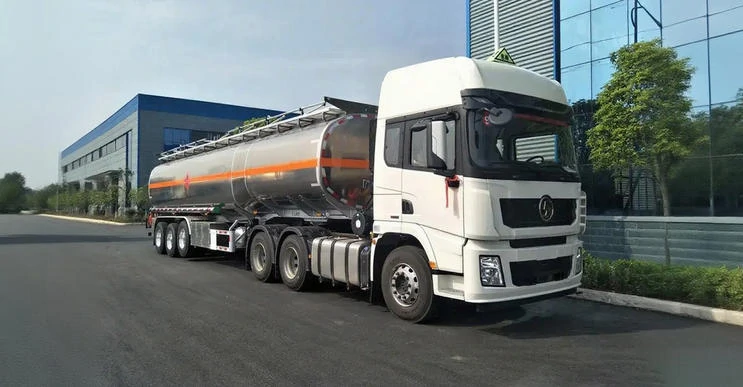
Standard Tractor Trailer Fuel Tank Capacity Ranges
Typical Capacity Configurations
Most heavy-duty tractor units operate within these standard ranges:
- Single tank systems: 100–150 gallons
- Dual tank systems: 200–300 gallons combined
- Long-haul optimized trucks: 250–300+ gallons
Dual-tank configurations are widely used in long-distance transport, enabling trucks to cover over 1,200–1,800 miles without refueling, depending on engine efficiency and load conditions.
Fuel Tank Materials and Design
Fuel tanks are engineered with materials that balance durability and weight:
- Aluminum: Lightweight, corrosion-resistant, commonly used in modern fleets
- Steel: Durable and impact-resistant, suitable for rugged environments
- Composite materials: Emerging option offering improved strength-to-weight ratios
The material choice impacts fuel efficiency, maintenance cycles, and overall lifecycle cost.
Key Factors Affecting Fuel Tank Capacity Selection
Route Planning and Distance Requirements
Fuel tank capacity must align with operational routes:
- Long-haul routes require larger tanks to reduce downtime
- Regional delivery fleets benefit from smaller tanks to reduce vehicle weight
Efficient route planning ensures that fuel capacity supports operational continuity without unnecessary weight penalties.
Fuel Consumption and Engine Performance
Fuel consumption varies based on engine type, load weight, and terrain conditions. Trucks operating in mountainous regions or carrying heavy loads consume more fuel, requiring larger tank capacities to maintain range.
Payload and Weight Distribution
Larger fuel tanks increase vehicle weight, potentially reducing allowable cargo capacity. Fleet managers must balance fuel capacity with payload optimization to maintain profitability.
Integration with Specialized Trailers
Fuel tank capacity also plays a role when operating with specialized trailers such as oil tank trailer systems. These applications require consistent fuel availability for long-distance liquid transport operations, where interruptions can affect delivery schedules and safety.
Operational Benefits of Optimized Fuel Tank Capacity
Extended Driving Range
Larger fuel tanks reduce the need for frequent refueling stops, allowing drivers to maintain schedules and improve delivery efficiency. This is especially beneficial for cross-border logistics and remote routes.
Cost Optimization
Fuel costs vary by region. Larger tanks allow operators to refuel strategically at lower-cost locations, reducing overall expenses.
Improved Fleet Productivity
Reduced downtime leads to better fleet utilization. Vehicles spend more time on the road and less time at fueling stations, increasing operational output.
For tailored fleet solutions and fuel system optimization, contact our team here.
Fuel Tank Capacity Comparison and Use Cases
| Capacity (Gallons) | Estimated Range (Miles) | Application | Advantages | Limitations |
|---|---|---|---|---|
| 100–150 | 600–900 | Regional transport | Lightweight, cost-effective | Frequent refueling |
| 200–250 | 1,000–1,300 | Mixed operations | Balanced performance | Moderate weight |
| 250–300+ | 1,300–1,800 | Long-haul logistics | Extended range, fewer stops | Higher initial cost |
Table 1: Tractor trailer fuel tank capacity comparison and operational use cases
Compatibility with Tank Trailers and Liquid Transport
Tank Trailer Operations
In industries such as petroleum, chemicals, and food-grade liquid transport, tractor units often work with tank trailer systems. These trailers require stable and consistent fuel supply to ensure uninterrupted operations across long distances.
Safety Considerations
Fuel systems must meet strict safety standards, including:
- Leak-proof sealing systems
- Pressure control mechanisms
- Fire-resistant materials
- Regular inspection protocols
Compliance with these standards ensures safe operation and reduces risk in hazardous environments.
Customization for Specialized Needs
Many B2B clients require tailored fuel tank configurations. Working with an experienced supplier offering semi trailer solutions allows for customization based on route conditions, cargo type, and operational goals.
Maintenance Strategies for Fuel Tank Systems
To ensure long-term performance and safety:
- Inspect tanks regularly for corrosion, cracks, or leaks
- Clean fuel systems to prevent contamination
- Monitor fuel efficiency metrics to detect anomalies
- Replace worn components such as seals and valves
- Ensure proper ventilation to avoid pressure buildup
Preventive maintenance reduces downtime and extends the lifespan of fuel systems.
FAQ
Q1: What is the most common tractor trailer fuel tank capacity?
A: Most long-haul trucks use dual tanks with a combined capacity of 200–300 gallons.
Q2: How does fuel tank capacity affect truck range?
A: Larger tanks increase driving range, reducing the need for refueling stops and improving efficiency.
Q3: Can fuel tank capacity be customized?
A: Yes, manufacturers can tailor tank size and configuration based on specific operational requirements.
Q4: Is a larger fuel tank always better?
A: Not always. While it increases range, it also adds weight, which may reduce payload capacity.
Q5: How does fuel tank capacity impact operating costs?
A: Larger tanks allow strategic refueling and reduce downtime, lowering overall operational costs.
Why Choose Fuyuan for Semi Trailer Solutions
Fuyuan is a professional semi trailer supplier dedicated to delivering reliable, high-performance transport solutions for global clients. Our product range includes advanced fuel transport systems, oil tank trailers, and fully customizable trailer configurations designed to meet the demands of modern logistics.
We provide:
- High-quality manufacturing with durable materials
- Custom fuel tank and trailer configurations
- Compliance with international safety and transport standards
- Comprehensive after-sales support and technical expertise
By partnering with Fuyuan, businesses gain access to efficient, cost-effective, and scalable transport solutions tailored to their operational needs.
References



