


Why Does Partnering with a Certified Flatbed Trailer Distributor UAE Safeguard Your Heavy Intermodal Logistics Infrastructure?
July 17, 2026
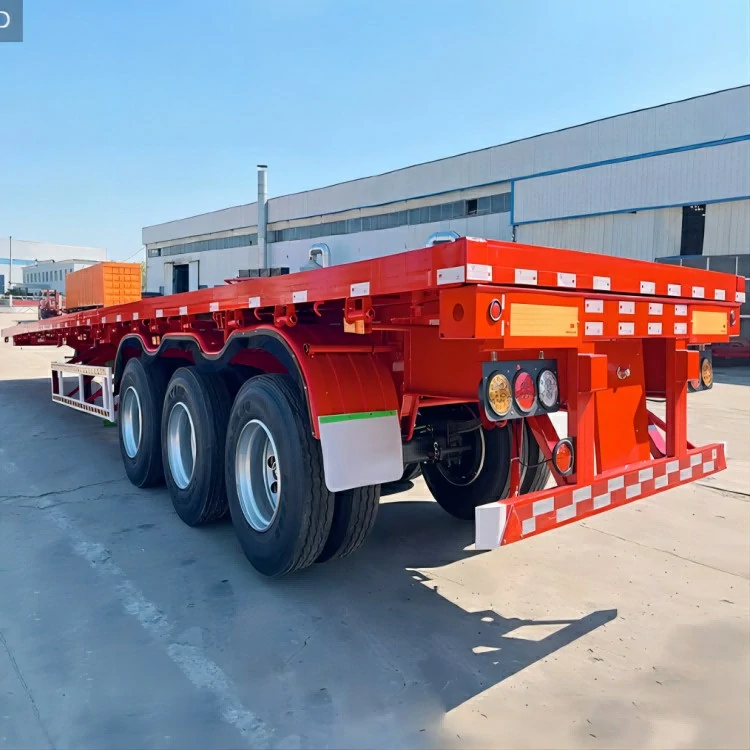
Procuring high-performance transport equipment from a verified flatbed trailer distributor UAE ensures that your logistics fleet survives extreme Middle Eastern thermal loads, high humidity, and intense port operation schedules. The United Arab Emirates acts as a central global trade hub, demanding compliance with strict Emirates Authority for Standardization and Metrology frameworks. Low-quality transport equipment rapidly degrades under constant heavy payloads and severe Gulf climate conditions, causing sudden chassis failures, structural cracking, and expensive operational downtime. By sourcing heavy-duty platforms engineered for high-capacity freight distribution, fleet decision-makers improve long-haul safety, lower maintenance overheads, and optimize cross-border logistics efficiency across regional trade networks.
For instance, a major logistics contractor operating out of Jebel Ali Port recently experienced repeated structural frame deformations while using lightweight standard import platforms for heavy steel coil distribution. Upgrading the fleet to reinforced, high-tensile steel container chassis completely eliminated chassis twisting under full load conditions. This comprehensive technical guide highlights how precision engineering protects valuable capital infrastructure assets and streamlines modern commercial transport systems.
What Regulatory Standards Govern Commercial Transport Frameworks Across the Emirates?
Heavy haulage operations across Dubai, Abu Dhabi, and the Northern Emirates must satisfy explicit safety regulations before entering public highways. Local transport ministries enforce strict gross vehicle weight limitations and specific axle load configurations to protect public infrastructure. Logistics managers must partner with an established supplier that understands these localized operational mandates completely.
Compliance requires comprehensive physical testing rather than simple visual design evaluations. Certified manufacturing facilities run finite element analysis models to check structural stress points, welding integrity, and material fatigue parameters. Buying verified transport equipment gives you total component traceability and formal declaration certificates, ensuring that your commercial vehicles pass mandatory annual vehicle inspections without experiencing costly administrative delays.
How Do Desert-Specified Mechanical Systems Prevent Rapid Fleet Depreciation?
The harsh environment of the Gulf region subjects heavy transport equipment to high ambient temperatures that easily surpass 45 degrees Celsius. Intense coastal humidity combined with airborne salt particles creates a highly corrosive environment that attacks unprotected structural steel. Standard mechanical components degrade quickly under these extreme field conditions, resulting in premature tire blowouts and brake system failures.
To mitigate these environmental risks, premium logistics platforms integrate heavy-duty mechanical leaf springs or advanced air suspension systems with heat-resistant components. Axle systems feature high-capacity brake drums or disc assemblies paired with automatic slack adjusters to maintain reliable stopping power during continuous port operations. Choosing an engineered flatbed semi trailer for sale helps shipping fleets reduce emergency roadside repair bills and extend vehicle operational life.
What Key Structural Design Variables Must Fleet Procurement Officers Analyze?
Supply chain professionals must evaluate specific material compositions, beam dimensions, and structural reinforcement patterns rather than focusing solely on upfront acquisition costs. The composition of the main longitudinal beams determines the ultimate load-bearing boundaries of the entire transport vehicle. High-tensile steel alloys offer excellent yield strength while keeping tare weight low, allowing fleets to maximize legal freight capacity.
| Structural Feature | Engineering Specification | Primary Operational Benefit |
| Chassis Steel Grade | Q345B High-Tensile Carbon Steel | Resists sagging and structural bowing under heavy point loads |
| Kingpin Assembly | 2.0 inch or 3.5 inch JOST Bolt-In | Delivers secure tractor coupling under severe dynamic stress |
| Axle Configuration | 13-Ton to 16-Ton Capacity per Axle | Ensures legal weight distribution across major highway networks |
| Braking Control | Dual-Line ABS with WABCO Valves | Prevents wheel lockups and shortens critical stopping distances |
Twist lock configurations represent another vital specification for intermodal shipping hubs. The integration of multi-position heavy-duty twist locks allows a single asset to secure varying container sizes safely. Heavy-duty landing gear assemblies must feature high static and lifting capacities to ensure reliable support when workers decouple loaded platforms inside busy maritime terminal yards.
Why Does Advanced Component Optimization Streamline Intermodal Port Logistics?
Modern shipping terminals demand high equipment versatility to handle diverse cargo profiles efficiently, including standard freight containers, bulk construction steel, and heavy machinery. Utilizing a specialized 45 foot flatbed semi trailer gives logistics operators the ideal length to carry two 20-foot containers or one high-capacity 40-foot container smoothly. This spatial adaptability reduces empty return trips and boosts overall fleet profitability.
For oversized industrial equipment or tall machinery that exceeds legal height limits, logistics teams require specialized lower deck heights. Deploying a rugged semi step deck trailer lowers the center of gravity significantly, providing extra vertical clearance and improving tracking stability on winding highways. This specialized low-profile engineering expands the service capabilities of a transport company, allowing them to bid successfully on lucrative heavy-industrial moving contracts.
If you want to upgrade your regional commercial fleet with high-durability transport platforms engineered for heavy port logistics, please contact our specialized sales team today to receive a customized technical quote.
How Do Automated Automated Production Lines Eradicate Costly Manufacturing Defects?
Manual welding methods often introduce human error, creating micro-fissures along main structural seams that fail under continuous road vibration. Leading manufacturing facilities deploy fully automated robotic welding systems to fabricate the primary chassis components. These computer-controlled systems maintain exact travel speeds and deeper weld penetration, creating uniform, high-strength structural joints across the entire frame.
Furthermore, computerized CNC plasma cutting machines prepare all steel plates with extreme dimensional accuracy. This high-precision manufacturing ensures that every crossmember fits perfectly against the main longitudinal beams, eliminating internal structural stresses before assembly begins. The resulting transport platform delivers excellent tracking alignment, which minimizes uneven tire wear and lowers overall tractor fuel consumption during long haulage journeys.
Frequently Asked Questions Regarding Industrial Transport Platforms
What are the primary benefits of using a step deck platform over a standard flatbed?
A step deck platform features a lowered rear deck profile that accommodates taller cargo safely. This low-slung design keeps high-profile industrial loads within legal height limits and lowers the overall center of gravity for safer highway transport.
Why is shot-blasting essential before applying paint to a transport chassis?
Shot-blasting removes all mill scale, surface rust, and chemical contaminants from the raw steel structure. This process creates a rough texture that ensures optimal paint adhesion, preventing moisture from causing hidden rust under the coating.
How does an automated anti-lock braking system enhance fleet safety?
An anti-lock braking system tracks wheel speeds constantly and adjusts brake pressure automatically during emergency stops. This continuous electronic regulation prevents wheel lockups, helps the driver maintain steering control, and prevents dangerous trailer jackknifing.
Optimize Your Global Fleet Operations with Fuyuan Heavy Equipment
As an experienced international semi trailer supplier, Fuyuan manufactures elite-grade heavy transport assets engineered for the world’s most demanding logistics corridors. We operate advanced automated production lines that guarantee precise structural engineering, outstanding mechanical durability, and complete compliance with global transport safety standards. Our diverse product selection includes high-capacity flatbeds, skeletal container chassis, lowbeds, and specialized drop-deck units built to withstand rigorous daily use. Fuyuan integrates premium heavy-duty axles, smart electronic braking systems, and advanced corrosion-resistant surface coatings into every transport unit. We focus on minimizing fleet maintenance costs, maximizing payload efficiency, and providing exceptional technical support to supply chain managers worldwide.
References
- Review official commercial vehicle safety standards and transport legislation on the Emirates Authority for Standardization and Metrology Portal.
- Examine international commercial vehicle design and braking safety guidelines through the International Organization for Standardization Website.



