


What Is the Standard Width of a Flatbed Semi Trailer and Why Does It Matter for Transportation Efficiency?
March 7, 2026
Understanding the standard width of a flatbed semi trailer is essential for fleet managers, logistics companies, and manufacturers who transport oversized or heavy cargo. The width of a trailer directly impacts cargo stability, road safety, regulatory compliance, and operational efficiency. Knowing standard dimensions allows operators to optimize load distribution, reduce the risk of accidents, and ensure smooth handling across different road networks.
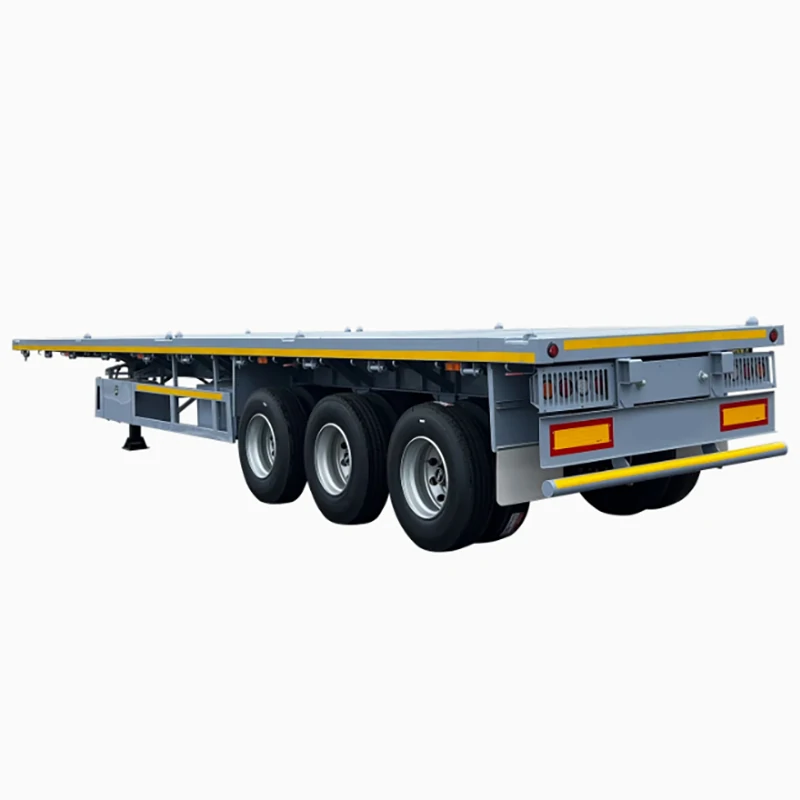
In general, the standard width of a flatbed semi trailer ranges from 8 to 8.5 feet (approximately 2.4–2.6 meters), which provides sufficient space for most types of cargo while remaining compliant with regional transportation regulations. This article explores the importance of standard width, its impact on logistics operations, and how to select the right trailer for your business needs.
Why the Standard Width Matters
The width of a flatbed semi trailer affects more than just how much cargo can fit on the deck. It determines load balance, vehicle maneuverability, and compatibility with road infrastructure. A trailer that is too wide may violate highway regulations, while a trailer that is too narrow could reduce load stability.
Key benefits of using trailers with standard widths include:
- Compliance with national and international transport regulations
- Improved stability and reduced risk of load shifting
- Better maneuverability in urban or congested areas
- Simplified integration with cranes, forklifts, or loading equipment
For operators moving heavy machinery, construction materials, or industrial equipment, adhering to standard trailer widths ensures safer, more efficient transport operations.
Typical Dimensions of Flatbed Semi Trailers
Flatbed semi trailers vary in length, height, and load capacity depending on their design, but width is typically standardized. Standard widths facilitate legal operation on highways and simplify cargo planning.
- Width: 8–8.5 feet (2.4–2.6 meters)
- Length: 40–53 feet (12.2–16.2 meters)
- Deck Height: 4–5 feet (1.2–1.5 meters)
- Load Capacity: 20–50 tons depending on axles and frame
Axle Configurations
Different axle setups support varying loads:
- Single axle: For light loads under 20 tons
- Tandem axle: Standard for 20–30 tons
- Tri-axle or multi-axle: Heavy-duty operations above 30 tons
Choosing the right axle configuration ensures that the trailer distributes weight properly and complies with road weight limits.
Table 1. Standard Dimensions of Flatbed Semi Trailers
| Dimension | Typical Range | Notes |
|---|---|---|
| Width | 8–8.5 feet (2.4–2.6 m) | Standard for legal highway operation |
| Length | 40–53 feet (12.2–16.2 m) | Can vary based on cargo |
| Deck Height | 4–5 feet (1.2–1.5 m) | Affects loading ease and vehicle stability |
| Load Capacity | 20–50 tons | Dependent on frame and axle configuration |
Caption: Typical flatbed semi trailer dimensions for safe and efficient heavy-duty transportation.
Factors Influencing Trailer Width Selection
Type of Cargo
Oversized machinery or industrial equipment may require trailers with reinforced structures and wider decks for safe transport. Palletized goods, on the other hand, can usually be carried on standard-width trailers without issue.
Regulatory Compliance
Each country or region enforces maximum width limits for highway operation. Sticking to standard widths avoids fines, ensures route access, and prevents legal issues during transport.
Operational Efficiency
A trailer with standard width optimizes stability, fuel efficiency, and maneuverability. Wider-than-standard trailers may require special permits or escorts, increasing operational costs.
Customization Options
Custom flatbed semi trailers can be designed with wider decks, additional axles, or reinforced frames for specific cargo types. Working with a trusted flatbed trailer for semi supplier ensures that trailers meet operational and safety requirements.
Choosing the Right Flatbed Semi Trailer
Selecting the appropriate trailer depends on cargo size, weight, and operational demands. Consider the following:
- Frequency of transport and typical routes
- Cargo dimensions and weight distribution
- Required deck configuration and loading mechanisms
- Maintenance and durability needs
Exploring available models from a flatbed semi truck trailer provider helps decision-makers identify trailers that maximize transport efficiency while staying within regulatory limits.
Contact our team to discuss your semi trailer and flatbed transport requirements.
Specialized Semi Trailer Flatbed Designs
Certain industries require trailers with specialized designs to carry extremely heavy or oversized cargo. Multi-axle configurations, extended deck lengths, and reinforced frames are common for construction, energy, and machinery transport. Consulting a semi trailer supplier allows for tailored solutions that meet unique operational needs.
Maintenance and Safety Considerations
Maintaining a flatbed semi trailer ensures safe operation and long-term durability. Key maintenance activities include:
- Regular inspection of axles, suspension, and tires
- Checking deck integrity, welds, and fasteners
- Ensuring brakes, lights, and reflective markers are operational
- Verifying proper use of load restraints and safety chains
Proactive maintenance reduces downtime and prevents costly repairs.
Frequently Asked Questions (FAQ)
What is the standard width of a flatbed semi trailer?
Standard widths typically range from 8 to 8.5 feet (2.4–2.6 meters), allowing legal highway operation and safe cargo transport.
Can I transport oversized machinery on a standard-width trailer?
Yes, provided the trailer’s deck length, axle configuration, and frame strength meet the cargo’s requirements.
Are flatbed semi trailers customizable?
Yes, trailers can be customized with wider decks, extra axles, reinforced frames, and adjustable heights for specific operational needs.
What is the typical load capacity of a flatbed semi trailer?
Load capacities range from 20 to 50 tons, depending on the trailer type, frame strength, and axle configuration.
How do regulations affect trailer width?
Highway and regional transport authorities impose maximum width limits. Staying within standard widths avoids fines and legal issues.
About Fuyuan
Fuyuan is a trusted supplier of high-quality semi trailers, providing a variety of flatbed trailer for semi and flatbed semi truck trailer solutions for commercial and industrial transport. With years of experience designing and manufacturing durable trailers, Fuyuan offers reliable vehicles that meet operational, safety, and regulatory requirements. Our semi trailers are engineered for efficiency, stability, and longevity, helping clients worldwide move heavy cargo with confidence.



