


What Are the Ideal Semi Flatbed Trailer Dimensions for Heavy-Duty Transportation?
March 4, 2026
Understanding the correct semi flatbed trailer dimensions is crucial for logistics managers, fleet operators, and manufacturers who rely on transporting oversized or heavy cargo efficiently and safely. Semi flatbed trailers are versatile vehicles designed to carry a wide variety of goods, from machinery and construction materials to large industrial equipment. The dimensions of these trailers, including length, width, height, and deck configuration, directly impact load capacity, stability, and compliance with regional transportation regulations.
Selecting the right trailer size ensures optimal cargo distribution, reduces the risk of accidents, and improves fuel efficiency. In this article, we will explore typical semi flatbed trailer dimensions, explain how they affect operational efficiency, and provide guidance for choosing the best trailer for your transportation needs.
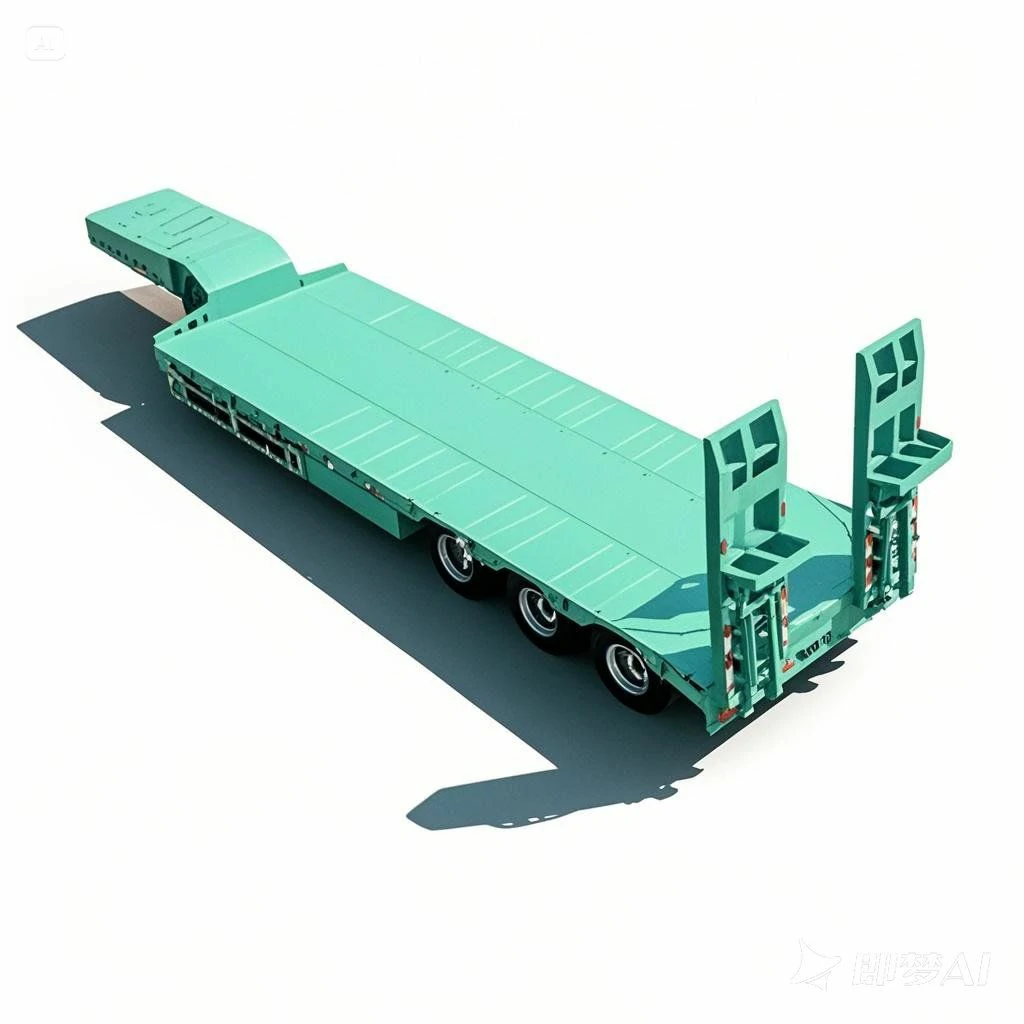
Why Semi Flatbed Trailer Dimensions Matter
The dimensions of a semi flatbed trailer determine the maximum cargo size it can carry while maintaining safe driving performance. Oversized or improperly distributed loads can compromise vehicle stability, increase wear on tires and axles, and potentially violate local transportation laws.
Key aspects influenced by trailer dimensions include:
- Load capacity and cargo distribution
- Road clearance and bridge weight restrictions
- Maneuverability in tight spaces and urban environments
- Compatibility with cranes, forklifts, or other loading equipment
For fleet operators, understanding these dimensions helps maximize the efficiency of each trip and ensures compliance with both national and international transport standards.
Standard Dimensions of Semi Flatbed Trailers
Semi flatbed trailers come in various sizes to accommodate different industries and cargo types. Typical dimensions are as follows:
- Length: Commonly ranges from 40 to 53 feet (12.2–16.2 meters)
- Width: Standard width is approximately 8.5 feet (2.6 meters)
- Height: Deck height usually ranges between 4 and 5 feet (1.2–1.5 meters)
- Load Capacity: Ranges from 20 to 50 tons depending on material and axle configuration
These standard sizes provide a balance between cargo space, vehicle stability, and regulatory compliance. Larger or custom trailers may be required for specific industries, such as construction, oil and gas, or heavy machinery transportation.
Typical Axle Configurations
Semi flatbed trailers may have multiple axles depending on the load capacity requirements:
- Single axle: Suitable for lighter loads under 20 tons
- Tandem axle: Standard configuration for most commercial applications, supporting 20–30 tons
- Tri-axle or multi-axle: Designed for heavy-duty loads above 30 tons
Choosing the correct axle configuration ensures compliance with road weight limits and minimizes wear on the trailer structure and tires.
Table 1. Standard Semi Flatbed Trailer Dimensions
| Dimension | Typical Range | Notes |
|---|---|---|
| Length | 40–53 feet (12.2–16.2 m) | Depends on cargo and regional regulations |
| Width | 8.5 feet (2.6 m) | Standard width for highway use |
| Height | 4–5 feet (1.2–1.5 m) | Deck height affects loading ease |
| Load Capacity | 20–50 tons | Varies with material and axles |
Caption: Standard semi flatbed trailer dimensions and capacity ranges commonly used in heavy-duty transportation.
Factors Affecting Semi Flatbed Trailer Dimensions
Cargo Type and Size
The type of cargo being transported heavily influences trailer dimensions. Oversized machinery may require extended deck length, while palletized goods can be loaded on standard lengths. Knowing your cargo’s dimensions ensures the trailer accommodates the load safely.
Regional Transportation Regulations
Different countries have regulations specifying maximum trailer length, width, and weight. Semi trailers designed for international use must consider these legal limits to avoid fines or restricted access.
Operational Efficiency
A properly sized semi flatbed trailer improves fuel efficiency and maneuverability. Overly large trailers can be difficult to navigate, while undersized trailers may require multiple trips to transport the same load.
Customization Options
Trailers can be customized for specific operational needs, including adjustable deck heights, foldable sides, or reinforced frames. Working with a reliable flatbed trailer semi supplier ensures the trailer meets both cargo and operational requirements.
Choosing the Right Semi Flatbed Trailer for Your Business
Selecting the ideal trailer requires a balance between standard dimensions, load capacity, and operational flexibility. Key considerations include:
- Load type, size, and weight
- Frequency of transport and route conditions
- Required deck configuration and accessibility
- Long-term durability and maintenance requirements
For companies seeking optimized transportation solutions, reviewing available models from a flatbed semi trailer for sale provider can help identify the best options based on your cargo and industry needs.
Contact our sales team to discuss your semi flatbed trailer requirements.
Specialized Semi Trailer Flatbed Designs
Some businesses require trailers designed for extremely heavy or oversized cargo. These semi trailer flatbed designs incorporate additional axles, reinforced frames, and extended deck lengths to safely carry loads beyond standard capacities. Consulting with a semi trailer flatbed Commercial supplier allows customization for industry-specific needs, including construction, oil and gas, and heavy machinery transport.
Maintenance and Safety Considerations
Regular maintenance ensures semi flatbed trailers remain safe and operationally efficient. Key aspects include:
- Inspecting axles, tires, and suspension systems
- Checking deck integrity and welds
- Ensuring proper lighting, brakes, and reflective markings
- Verifying that load restraints are in place and compliant
Proper maintenance minimizes downtime, prolongs trailer life, and ensures safe transportation for personnel and cargo.
Frequently Asked Questions (FAQ)
What is the typical length of a semi flatbed trailer?
Standard lengths range from 40 to 53 feet, with customized models available for oversized loads.
Can I transport heavy machinery on a standard semi flatbed trailer?
Yes, as long as the trailer’s load capacity, deck length, and axle configuration match the machinery’s dimensions and weight.
Are semi flatbed trailers customizable?
Absolutely. Options include adjustable deck heights, additional axles, and reinforced frames to meet specific cargo requirements.
What is the maximum load a semi flatbed trailer can carry?
Depending on the trailer type and axles, load capacities range from 20 to 50 tons for standard configurations.
How do regional regulations affect trailer dimensions?
Each country has maximum length, width, and weight limits. Trailers must comply with these limits for legal operation on highways.
About Fuyuan
Fuyuan is a leading manufacturer and supplier of semi trailers, offering a wide range of flatbed trailer semi solutions designed for heavy-duty transportation. With decades of experience in designing, manufacturing, and customizing trailers, Fuyuan provides reliable, durable, and efficient vehicles for commercial and industrial clients worldwide. Our focus on quality, safety, and operational performance ensures that every semi flatbed trailer meets the specific needs of cargo, route, and industry requirements.



