



What Is the Length of Flatbed Semi Trailer and How Should Fleet Buyers Choose the Right Specification?
February 27, 2026
The length of flatbed semi trailer typically ranges from 48 feet to 53 feet in standard configurations, although shorter options such as 40 feet and specialized extendable models exceeding 53 feet are also available. In North America, 48-foot and 53-foot flatbeds are the most common because they comply with federal highway regulations while maximizing cargo capacity. The correct trailer length directly impacts payload volume, weight distribution, maneuverability, compliance requirements, and return on investment. For logistics operators, construction contractors, freight forwarders, and fleet procurement managers, understanding the length of flatbed semi trailer options is essential for strategic transportation planning.
While width often determines legal classification for over-dimensional loads, length influences operational efficiency and cargo optimization. Selecting the appropriate trailer length requires balancing regulatory limits, route constraints, cargo characteristics, and long-term scalability. This article provides a detailed technical overview designed to support data-driven procurement decisions.
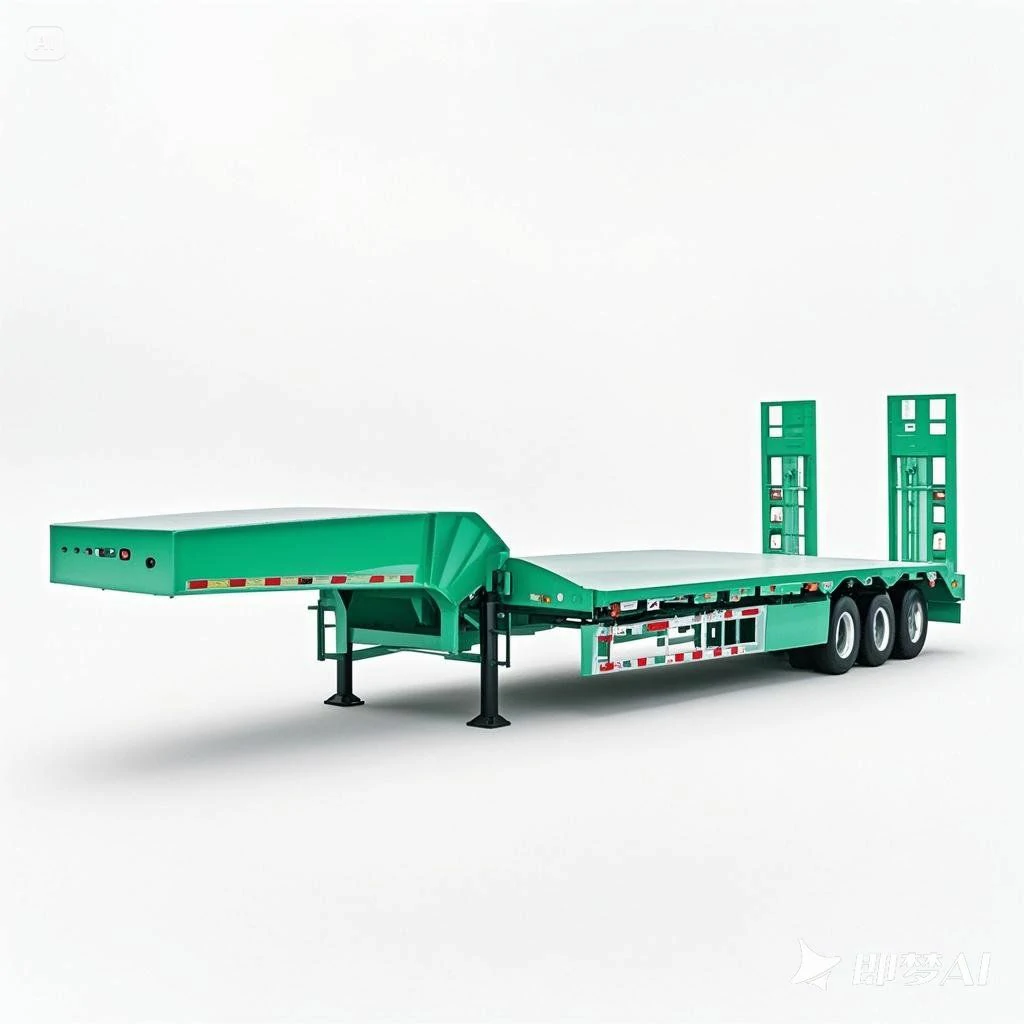
What Are the Standard Length Options for Flatbed Semi Trailers?
The length of flatbed semi trailer configurations varies depending on region and application. However, several standardized dimensions dominate the global market.
Common Standard Lengths
In the United States and Canada, the most common flatbed lengths include:
• 48 feet
• 53 feet
Shorter models such as 40 feet may be used for specialized freight or regional transport. Extendable flatbeds, often used in heavy haul operations, can expand beyond 53 feet when required.
According to regulatory guidance referenced by the Federal Highway Administration, trailer length limits are defined within the National Network framework. While federal law generally permits 48-foot trailers nationwide, 53-foot trailers are widely accepted on designated highways.
Why 53 Feet Became Industry Standard
The 53-foot configuration gained popularity because it increases cargo capacity without exceeding typical legal length restrictions on approved routes. For high-volume freight operations, the additional five feet compared to a 48-foot trailer can significantly improve revenue per trip.
How Does Trailer Length Impact Cargo Capacity?
The length of flatbed semi trailer directly affects deck space and freight planning efficiency.
Linear Cargo Optimization
Flatbed trailers are frequently used to transport:
• Structural steel beams
• Lumber bundles
• Construction machinery
• Prefabricated building materials
• Large industrial components
Longer decks allow more linear cargo placement, reducing the need for multiple trips. For example, steel beams manufactured in standardized lengths often align efficiently with 53-foot decks, minimizing overhang.
Weight Distribution Considerations
While longer trailers offer more deck space, payload weight must still comply with axle load regulations. The relationship between trailer length and axle spacing is critical for proper weight distribution.
Table 1. Standard Length of Flatbed Semi Trailer and Operational Characteristics
| Trailer Length | Typical Application | Operational Advantage | Consideration |
|---|---|---|---|
| 40 ft | Regional transport | Increased maneuverability | Reduced deck capacity |
| 48 ft | General freight | Broad regulatory acceptance | Slightly less capacity than 53 ft |
| 53 ft | High-volume logistics | Maximum deck efficiency | Route restrictions in some areas |
| Extendable (up to 80 ft+) | Oversized cargo | Flexible heavy haul | Permit requirements |
Longer trailers can improve transport efficiency, but buyers must ensure compliance with local route regulations and facility access constraints.
What Regulatory Factors Influence Trailer Length?
The legal length of flatbed semi trailer configurations depends on national and regional transport regulations.
United States Framework
The Federal Motor Carrier Safety Administration oversees commercial vehicle safety standards, while length allowances are influenced by federal and state transportation laws. Although 53-foot trailers are widely accepted, access to certain roads may be limited.
International Considerations
In Europe, maximum overall vehicle length regulations differ significantly from North American standards. Fleet operators engaged in cross-border trade must evaluate combined tractor and trailer length restrictions carefully.
Permit Requirements for Extended Length
Extendable flatbeds exceeding standard limits require special permits. These permits may impose travel time restrictions, escort requirements, and designated routing constraints.
Understanding regulatory boundaries before procurement prevents operational bottlenecks and compliance risks.
How Does Length Affect Maneuverability and Route Planning?
Beyond regulatory compliance, the length of flatbed semi trailer influences real-world handling performance.
Turning Radius and Urban Access
Longer trailers require larger turning radii. In urban construction projects or congested port terminals, maneuverability becomes a decisive factor.
A 48-foot trailer may offer superior flexibility for:
• City deliveries
• Industrial park access
• Port container yards
• Warehouse docking with limited yard space
Conversely, 53-foot trailers excel in highway freight operations where maneuvering space is less restrictive.
Infrastructure Compatibility
Bridges, tunnels, and loading docks impose dimensional constraints. Fleet managers should conduct route assessments before standardizing trailer length across operations.
For companies seeking versatile configurations, exploring a durable flatbed semi trailer platform with engineering customization options ensures alignment with project demands.
If you are evaluating optimal trailer dimensions for your fleet expansion strategy, consult our technical team today for tailored recommendations: Contact our experts for professional support.
How Should Buyers Balance Length and ROI?
Choosing the appropriate length of flatbed semi trailer is a financial decision as much as a technical one.
Revenue per Trip Analysis
A 53-foot trailer can transport more cargo per trip compared to a 48-foot alternative. For high-frequency logistics operations, this increased capacity translates directly into improved revenue potential.
Maintenance and Operational Costs
Longer trailers may:
• Require higher tire maintenance costs
• Experience increased structural stress
• Demand enhanced suspension durability
However, modern engineering solutions, including reinforced cross members and high-tensile steel frames, mitigate these concerns.
Buyers reviewing a flatbed semi trailer for sale should compare total lifecycle cost rather than initial purchase price alone.
Fleet Standardization Strategy
Standardizing trailer length across a fleet simplifies:
• Spare parts management
• Driver training
• Maintenance scheduling
• Load planning processes
Companies operating diverse cargo categories may benefit from combining standard and extendable semi trailer flatbed configurations within their fleets.
What Engineering Factors Determine Structural Stability?
Length affects more than cargo capacity. Structural design must compensate for stress distribution across the extended frame.
Beam Reinforcement
Longer trailers require optimized main beam thickness and cross member spacing to prevent deflection under heavy loads.
Suspension and Axle Configuration
Axle positioning plays a vital role in balancing weight along extended decks. Advanced air suspension systems improve ride stability and protect cargo integrity.
Material Selection
High-strength steel alloys reduce overall trailer weight while maintaining durability. This balance increases allowable payload without compromising structural safety.
Professional semi trailer suppliers integrate engineering simulations and load testing into the design phase to ensure compliance with performance standards.
FAQ
What is the most common length of flatbed semi trailer?
The most common lengths are 48 feet and 53 feet, with 53 feet widely preferred for high-capacity freight operations.
Are longer flatbed trailers always better?
Not necessarily. While longer trailers increase deck space, they may reduce maneuverability and face route restrictions.
Can a flatbed trailer exceed 53 feet legally?
Yes, but extended trailers typically require special permits and compliance with oversize transport regulations.
Does trailer length affect payload weight?
Length increases deck space but does not automatically increase legal weight limits. Axle configuration and regulatory weight caps still apply.
How should international buyers approach trailer length selection?
International buyers must consider regional regulations, infrastructure constraints, and cargo specifications before finalizing trailer length.
Conclusion: Length as a Strategic Fleet Variable
The length of flatbed semi trailer is not a one-size-fits-all specification. It influences cargo efficiency, regulatory compliance, maneuverability, and long-term operational profitability. Standard lengths of 48 and 53 feet dominate the industry because they offer a balanced combination of capacity and compliance. However, specialized operations may require shorter or extendable solutions.
For fleet decision-makers, evaluating trailer length alongside structural engineering, axle configuration, and cargo strategy ensures optimized return on investment and operational resilience.
About Yuyuan
Yuyuan is a professional semi trailer supplier dedicated to delivering durable, high-performance transportation equipment for logistics, construction, and industrial sectors worldwide. With advanced production facilities, strict quality control systems, and engineering-driven design capabilities, Yuyuan provides customized flatbed trailer solutions that meet international regulatory standards and demanding operational requirements. Our commitment to structural reliability, compliance, and long-term customer support makes us a trusted partner for global fleet operators.
References
Federal Highway Administration. Vehicle Size and Weight Regulations. https://www.fhwa.dot.gov
Federal Motor Carrier Safety Administration. Commercial Vehicle Regulations. https://www.fmcsa.dot.gov