



How to Tarp a Semi Flatbed Trailer Correctly and Why Does It Matter for Cargo Protection and Compliance?
February 20, 2026
How to tarp a semi flatbed trailer? The correct method involves selecting the appropriate tarp type, positioning it evenly over secured cargo, fastening it using compliant tie down systems, sealing edges against wind uplift, and conducting a final inspection before dispatch. For fleet managers and operations directors, tarping is not simply a weather protection step. It is a cargo preservation strategy, a compliance safeguard, and a reputation management measure that protects freight integrity from origin to destination.
Improper tarping can result in cargo damage, insurance claims, rejected deliveries, and safety violations. A structured, standardized tarping process ensures that shipments remain secure, protected from environmental exposure, and aligned with customer and regulatory expectations.
Why Proper Tarping Is Critical for Flatbed Operations
Unlike enclosed trailers, flatbeds expose freight to wind, rain, debris, and UV radiation. Tarping is therefore a functional requirement rather than an optional accessory.
A properly tarped load prevents:
- Water intrusion and corrosion
- Surface damage to finished goods
- Debris contamination
- Load destabilization from wind lift
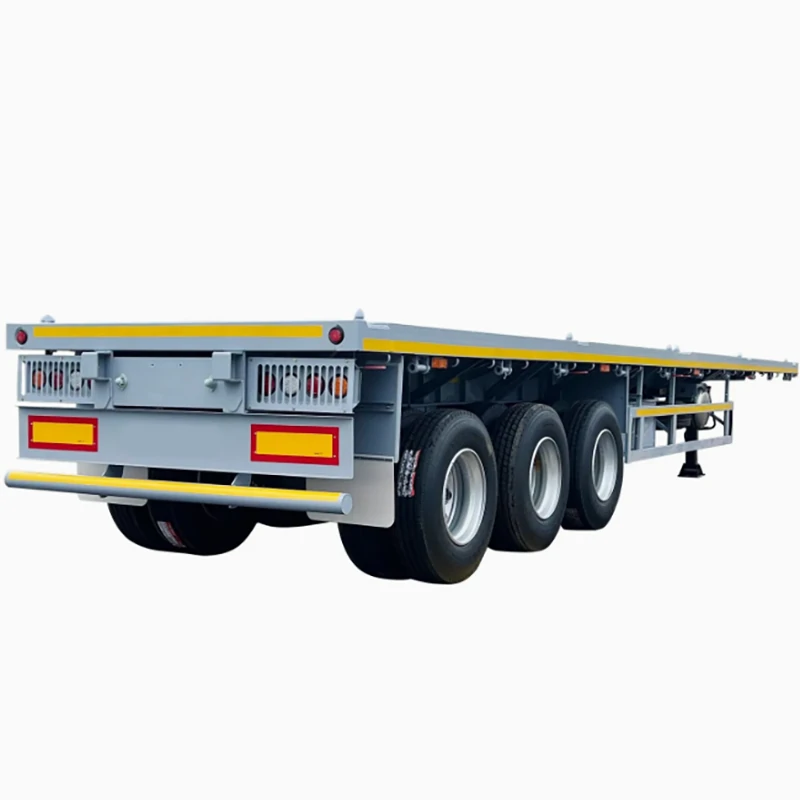
For operators using a flatbed semi trailer, tarping procedures must be integrated into loading and dispatch protocols to ensure consistent cargo protection.
From a compliance standpoint, the Federal Motor Carrier Safety Administration requires cargo to be properly secured to prevent shifting or falling during transit. While tarps themselves are not always mandatory, when used, they must not create hazards or detach during operation.
Step 1: Selecting the Appropriate Tarp Type
The first stage in understanding how to tarp a semi flatbed trailer is selecting the correct tarp specification for the cargo profile.
Common Tarp Categories
- Lumber tarps with extended flaps
- Steel tarps for dense freight
- Machinery tarps for irregular shapes
- Coil tarps for cylindrical loads
- Smoke tarps for forward protection
Material thickness, commonly measured in ounces per square yard, affects durability and weather resistance. Heavy duty PVC tarps provide long term wear resistance, while lighter tarps may suffice for short distance transport.
Procurement teams reviewing a flatbed semi trailer for sale should ensure that the trailer includes adequate tarp tie down points, rub rails, and stake pockets to support safe and efficient tarp installation.
Step 2: Preparing the Load Before Tarping
Tarping should only begin after cargo has been properly positioned and secured.
Confirm Cargo Securement
Before covering the load:
- Verify chains and binders are tightened
- Confirm strap tension
- Ensure load balance across axles
- Install edge protectors where required
Tarping over an unsecured load can conceal securement issues and increase risk.
Inspect for Sharp Edges
Sharp corners or protrusions may puncture tarps during transit. Use corner protectors or padding materials to prevent tearing. Reinforced tarp edges and abrasion resistant patches extend service life and reduce replacement costs.
Step 3: Positioning the Tarp Correctly
Correct placement is essential for wind resistance and water protection.
Centering the Tarp
Begin by positioning the tarp evenly across the cargo. Ensure equal overhang on both sides of the trailer. Uneven distribution increases wind drag and stress on fastening points.
Lowering and Spreading Safely
For safety, use appropriate lifting methods when handling heavy tarps. Many lumber tarps exceed 100 pounds in weight. Proper lifting technique reduces workplace injury risk.
Fleet standard operating procedures should define clear steps to ensure consistency across drivers and warehouse personnel.
If your operation requires trailer configurations optimized for tarp management efficiency, consult our engineering team here: Contact Fuyuan for specification support.
Step 4: Securing the Tarp Against Wind and Movement
Securing the tarp correctly is critical to prevent wind uplift and detachment.
Fastening Methods
Common fastening methods include:
- Rubber tarp straps
- Bungee cords
- Ratchet straps
- Rope tie downs
Rubber straps should be attached to secure anchor points such as D rings or rub rails. Even spacing along both sides reduces stress concentration.
Sealing Gaps
Front and rear edges must be tightly sealed to prevent wind intrusion. Smoke tarps may be installed at the front of the load to deflect wind and reduce uplift pressure.
Over tightening may cause premature strap failure, while insufficient tension increases flutter and abrasion. A balanced fastening approach ensures durability and compliance.
Step 5: Post Tarping Inspection and Documentation
A final inspection verifies structural integrity and road readiness.
Walk Around Inspection Checklist
- Check strap tension consistency
- Inspect for loose flaps
- Confirm tarp corners are secured
- Ensure no material interferes with tires or lights
During long haul operations, drivers should re inspect tarp securement after the first 50 miles and periodically thereafter.
Organizations working with established semi trailer companies prioritize standardized tarping protocols to reduce liability and enhance operational reliability.
Tarp Selection and Application Comparison
The following table summarizes tarp selection guidelines by cargo type.
Table 1. Recommended Tarp Type by Freight Category
| Cargo Type | Recommended Tarp | Key Consideration |
|---|---|---|
| Lumber | Lumber tarp with flaps | Full side coverage |
| Steel Sheets | Steel tarp | High abrasion resistance |
| Machinery | Machinery tarp | Irregular shape accommodation |
| Coils | Coil tarp | Cylindrical coverage |
| Palletized Goods | Standard flat tarp | Water protection |
Proper tarp selection enhances cargo protection while minimizing wind drag and material wear.
Operational Risk and Cost Implications
Improper tarping exposes operations to multiple risks:
- Cargo water damage
- Insurance claims
- Customer dissatisfaction
- Road hazards from detached tarp materials
In severe cases, loose tarps can create safety hazards for surrounding vehicles.
Long term cost analysis should include tarp replacement frequency, labor time, and compliance risk exposure. Investing in durable tarps and well designed trailer anchor systems reduces recurring operational expense.
Frequently Asked Questions
How tight should a flatbed tarp be?
The tarp should be secured firmly without excessive tension. It must remain stable at highway speeds without causing strap overstretching.
Are tarps legally required on all flatbed loads?
Not always. Requirements depend on cargo type and shipper specifications. However, when used, tarps must not create safety hazards.
How often should tarp straps be inspected?
Straps should be inspected before departure, after the first 50 miles, and periodically during long haul trips.
What causes tarp damage most frequently?
Sharp cargo edges, wind flutter, improper tensioning, and prolonged UV exposure are common causes.
Can tarping affect fuel efficiency?
Yes. Poorly secured tarps increase wind resistance, potentially reducing fuel efficiency and increasing material wear.
About Fuyuan
Fuyuan is a professional manufacturer specializing in high performance flatbed transport solutions for logistics and industrial sectors. Our flatbed trailer systems are engineered with reinforced rub rails, durable anchor points, and structural stability to support secure tarping and cargo protection.
As one of the trusted semi trailer companies serving global markets, Fuyuan integrates advanced fabrication technology and strict quality control processes to ensure reliable equipment performance. Whether you require standard flatbeds or customized heavy duty configurations, our engineering driven approach supports compliance, durability, and long term operational efficiency.
Reference
Federal Motor Carrier Safety Administration. Cargo Securement Rules.
https://www.fmcsa.dot.gov/regulations/cargo-securement
Federal Highway Administration. Freight Management and Operations.
https://ops.fhwa.dot.gov
Wikipedia. Tarpaulin.
https://en.wikipedia.org/wiki/Tarpaulin