



How Much Does a Flatbed Semi Trailer Weigh and Why Does It Matter for Fleet Procurement?
February 11, 2026
How much does a flatbed semi trailer weigh? In most commercial configurations, an empty flatbed semi trailer typically weighs between 15,000 and 25,000 pounds (approximately 6,800 to 11,300 kg). A standard 48 ft or 53 ft steel configuration generally falls in the 18,000 to 22,000 pound range, while aluminum models can reduce tare weight by several thousand pounds. For decision makers in logistics, construction, and heavy haul operations, this number is not merely technical data. It directly affects payload capacity, regulatory compliance, fuel efficiency, and total cost of ownership.
Understanding trailer weight is a strategic procurement consideration. Every pound allocated to structure is a pound unavailable for revenue generating cargo. The right balance between strength and weight determines operational flexibility and long term profitability.
Typical Weight Range by Configuration
Flatbed trailers are engineered for versatility. However, configuration variables significantly influence empty weight.
48 ft vs 53 ft Platforms
Common North American configurations include:
- 48 ft tandem axle flatbed
- 53 ft tandem axle flatbed
- 53 ft spread axle flatbed
A standard steel frame with hardwood decking generally weighs 18,000 to 22,000 pounds depending on reinforcement level. Aluminum frame designs often range from 15,000 to 19,000 pounds.
Although both 48 ft and 53 ft platforms serve similar freight categories, the additional structural length and reinforcement of a 53 ft trailer contributes to incremental weight gain. Engineering decisions regarding cross member spacing, beam thickness, and suspension system further affect tare weight.
Businesses evaluating a flatbed semi trailer must review detailed specification sheets rather than relying on generalized averages.
Structural Factors That Influence Trailer Weight
Trailer weight is a direct outcome of structural engineering priorities. Durability, load rating, and service life requirements determine material selection.
Frame Material
High strength carbon steel provides excellent rigidity and load bearing performance, particularly for concentrated industrial cargo. However, steel increases overall mass. Aluminum alloys reduce tare weight while maintaining structural integrity when properly engineered, though they may involve higher initial investment.
Hybrid designs combine steel main beams with aluminum components to optimize strength to weight ratio.
Deck Construction
Deck material plays a measurable role in total trailer weight. Common options include:
- Apitong hardwood
- Steel plating
- Aluminum extrusions
- Composite panels
Hardwood decks offer durability and cost effectiveness but add mass. Aluminum decking improves corrosion resistance and reduces empty weight, benefiting fleets operating in coastal regions or areas exposed to road salts.
Axle and Suspension Systems
Tandem axle configurations remain standard for general freight. Spread axle designs can improve weight distribution and regulatory compliance in certain jurisdictions, though additional components contribute modest weight increases.
When reviewing a flatbed semi trailer for sale, axle spacing, suspension type, brake systems, and structural reinforcement should be evaluated collectively.
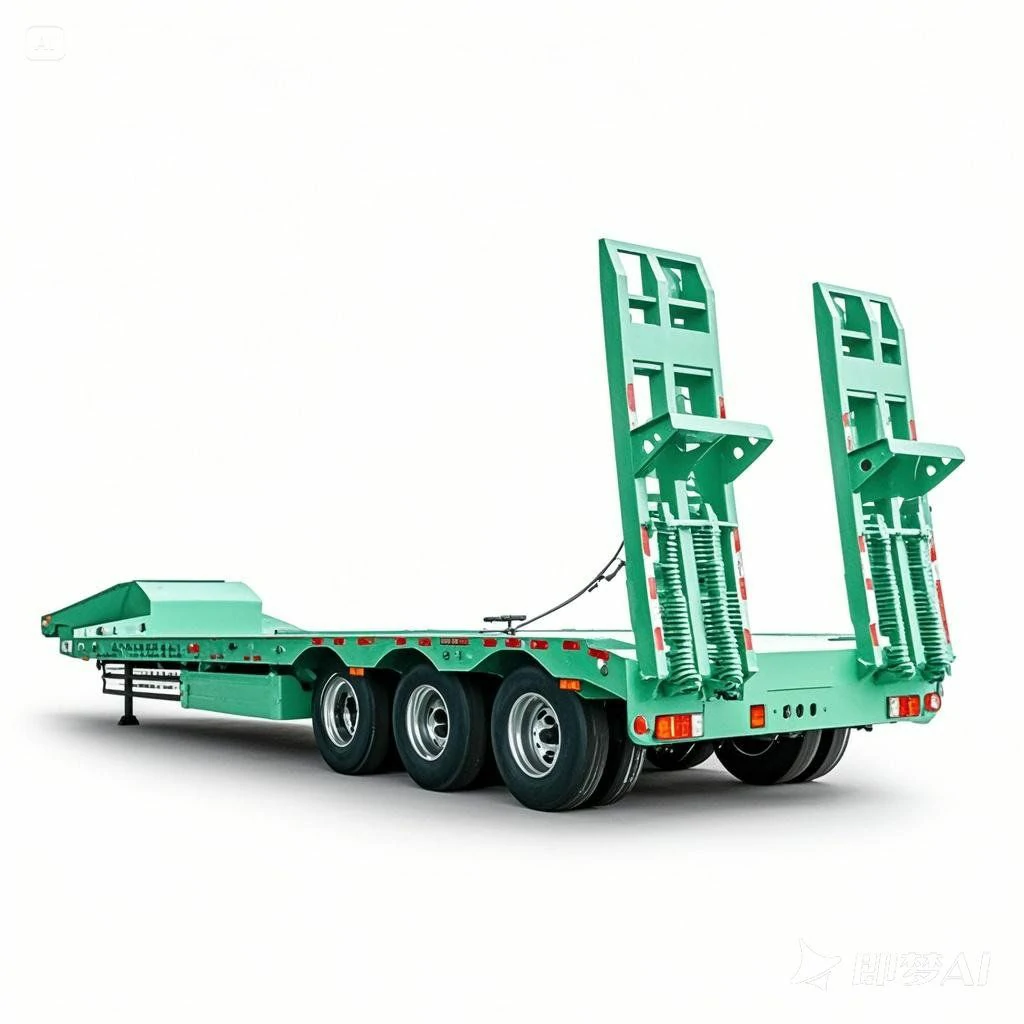
Weight and Payload Optimization
In the United States, the typical federal gross vehicle weight limit for combination vehicles operating on interstate highways is 80,000 pounds without special permits. This limit includes tractor, trailer, fuel, and cargo.
A simplified calculation illustrates the operational impact:
- Tractor weight: 18,000 to 20,000 lbs
- Trailer weight: 18,000 to 22,000 lbs
- Remaining allowable payload: approximately 38,000 to 44,000 lbs
Reducing trailer tare weight by 2,000 to 3,000 pounds directly increases legal payload capacity by the same amount. For high density freight such as steel products or machinery, this translates into measurable revenue per load.
Fleet operators transporting lower density commodities may prioritize structural durability over minimal tare weight. The optimal configuration depends on freight profile and route characteristics.
Mid size and large fleets benefit from conducting multi year lifecycle cost analyses that include acquisition cost, fuel consumption, maintenance intervals, and resale value.
For tailored engineering recommendations aligned with your operational goals, connect with our technical team here: Contact Fuyuan for professional support.
Comparative Weight Overview
Table 1 presents approximate empty weights for common configurations.
Table 1. Typical Empty Weight of Flatbed Semi Trailer by Configuration
| Trailer Type | Length | Material | Axle Type | Approximate Empty Weight |
|---|---|---|---|---|
| Standard Steel Flatbed | 48 ft | Steel frame + wood deck | Tandem | 18,000–20,000 lbs |
| Standard Steel Flatbed | 53 ft | Steel frame + wood deck | Tandem | 19,000–22,000 lbs |
| Aluminum Flatbed | 48 ft | Aluminum frame | Tandem | 15,000–18,000 lbs |
| Aluminum Spread Axle | 53 ft | Aluminum frame | Spread | 16,000–19,000 lbs |
| Heavy Duty Reinforced | 53 ft | Steel reinforced | Tandem | 22,000–25,000 lbs |
Regulatory and Compliance Considerations
Trailer weight selection must align with regulatory frameworks governing axle load and gross combination weight.
The Federal Highway Administration establishes national weight limits for interstate highways, including the 80,000 pound gross vehicle weight limit. Additionally, axle weight and bridge formula compliance must be considered when operating across state lines.
Gross Vehicle Weight Rating, as defined by industry standards, represents the maximum operating weight specified by the manufacturer, including vehicle structure, fuel, cargo, and occupants. Understanding these definitions ensures accurate compliance management.
Spread axle configurations may provide operational advantages under specific state weight distribution regulations. However, fleets should also consider maneuverability, tire wear patterns, and maintenance implications.
Application Based Selection Strategy
Selecting the appropriate semi trailer flatbed configuration requires aligning equipment specifications with operational reality.
Heavy Industrial Freight
Transporting steel coils, construction materials, or machinery requires reinforced frames and securement systems. Heavier structural builds are often justified by durability and safety requirements.
Long Haul General Freight
For diversified cargo and interstate operations, lightweight aluminum designs improve fuel efficiency and payload flexibility, enhancing revenue potential.
Corrosive Environments
Regions exposed to humidity, de icing salts, or marine conditions benefit from aluminum components and anti corrosion coatings to extend service life.
Procurement decisions should be data driven, balancing structural integrity, payload optimization, regulatory compliance, and long term operating cost.
Frequently Asked Questions
How much does a 53 ft flatbed semi trailer weigh empty?
A standard 53 ft steel flatbed trailer typically weighs between 19,000 and 22,000 pounds. Aluminum configurations may reduce weight to approximately 16,000 to 19,000 pounds.
Why is trailer tare weight important?
Tare weight directly impacts legal payload capacity. Lower trailer weight increases revenue carrying potential within regulated gross weight limits.
Does lighter construction compromise durability?
Not when properly engineered. High quality aluminum designs can maintain structural performance while reducing mass. Load type and operational environment determine suitability.
What is the maximum gross vehicle weight allowed in the United States?
Under federal interstate regulations, the standard gross vehicle weight limit is 80,000 pounds without special permits.
Should I choose steel or aluminum?
Steel offers durability and lower upfront cost. Aluminum reduces tare weight and improves corrosion resistance. The best option depends on cargo density, route profile, and long term cost strategy.
About Fuyuan
Fuyuan is a professional semi trailer manufacturer dedicated to precision engineered transport solutions for global logistics and heavy industry sectors. Our production facilities integrate advanced welding automation, high strength material sourcing, and strict quality control systems to ensure structural reliability and regulatory compliance.
We design and manufacture customizable flatbed trailer systems that balance weight optimization with structural integrity. From standard configurations to application specific builds, Fuyuan delivers solutions aligned with operational efficiency and long term fleet performance objectives.
Reference
Federal Highway Administration. Vehicle Size and Weight Regulations.
https://ops.fhwa.dot.gov/freight/publications/brdg_frmwrk/sect2.htm
U.S. Department of Energy. Weight Reduction and Fuel Economy.
https://www.energy.gov/eere/vehicles/articles/fotw-1173-june-14-2021-weight-reduction-can-improve-fuel-economy
Wikipedia. Gross Vehicle Weight Rating.
https://en.wikipedia.org/wiki/Gross_vehicle_weight_rating