


How Does Flatbed Semi Trailer Length Impact Transportation Efficiency?
January 28, 2026
For logistics managers, fleet operators, and B2B buyers, the flatbed semi trailer length is a critical factor in determining the cargo capacity, maneuverability, and overall efficiency of freight operations. The length of a flatbed trailer influences not only the volume of goods transported but also the types of cargo it can carry, regulatory compliance, and operational safety. Understanding the ideal trailer length for specific applications helps companies optimize fleet utilization, reduce transportation costs, and ensure timely deliveries. This article explores the key considerations, advantages, and applications of different flatbed semi trailer lengths in industrial transportation.
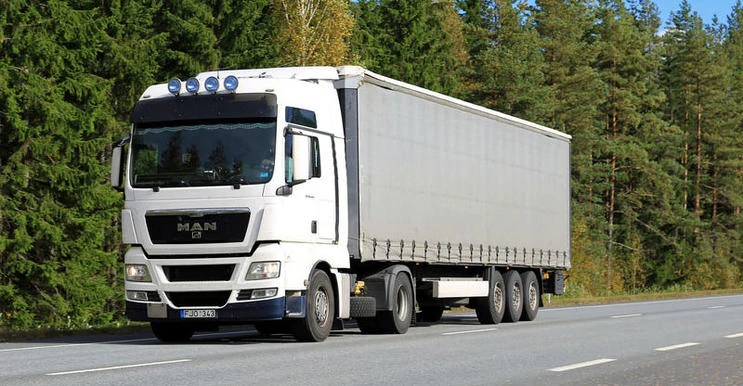
Understanding Flatbed Semi Trailer Length
The length of a flatbed semi trailer typically ranges from 40 to 53 feet for standard models, with specialized trailers available in custom lengths to accommodate oversized or heavy cargo. Flatbeds are open-deck trailers without sides or a roof, designed to carry large, bulky, or irregularly shaped items such as machinery, construction materials, and containers.
A semi trailer truck coupled with an appropriately sized flatbed ensures proper load distribution and stability, reducing the risk of accidents and improving fuel efficiency. For B2B buyers, selecting the correct trailer length directly affects transportation capacity and operational costs.
Standard vs. Extended Lengths
Standard flatbed lengths, usually 48 to 53 feet, are suitable for most general freight, offering a balance between cargo volume and maneuverability. Extended lengths, over 53 feet, are ideal for specialized loads but may require permits and adherence to transportation regulations due to their size.
Factors Influencing the Choice of Flatbed Semi Trailer Length
Several factors determine the ideal trailer length for your operations:
Cargo Dimensions and Weight
Longer trailers allow for more cargo volume but require careful weight distribution. Oversized machinery or construction materials may necessitate extended flatbeds.
Road and Highway Regulations
Different regions have maximum allowable vehicle lengths. Selecting a trailer that complies with these regulations avoids fines and delays.
Loading and Unloading Efficiency
Longer trailers can transport more goods in one trip but may require specialized loading equipment or additional personnel for secure cargo handling.
Fleet Management Considerations
Matching trailer length to existing fleet configurations ensures compatibility with tractors, depots, and transport routes, optimizing operational efficiency.
Benefits of Selecting the Right Flatbed Semi Trailer Length
Maximized Load Capacity
Choosing the appropriate trailer length enables more cargo per trip, reducing transportation costs and fuel consumption.
Operational Flexibility
Different lengths cater to various cargo types, providing versatility for companies handling diverse shipments.
Safety and Stability
Correct length selection ensures balanced weight distribution, enhancing vehicle stability during transit and reducing the risk of accidents.
Contact us for professional guidance on selecting the optimal flatbed semi trailer length for your fleet.
Typical Flatbed Semi Trailer Lengths and Applications
| Trailer Length (ft) | Typical Cargo | Advantages | Limitations |
|---|---|---|---|
| 40 | Standard pallets, construction materials | High maneuverability, easier parking | Limited volume |
| 48 | Containers, machinery, bulk materials | Balanced capacity and handling | Moderate flexibility for oversized loads |
| 53 | Oversized machinery, industrial equipment | Maximum cargo volume | May require permits in certain regions |
| Custom 60+ | Specialized oversized loads | Tailored to specific cargo | Regulatory compliance required |
Industry Examples
In construction, trailers measuring 48 to 53 feet efficiently carry steel beams, scaffolding, and prefabricated components. In the logistics sector, 53-foot flatbeds accommodate standard shipping containers, optimizing freight throughput. For specialized machinery, custom-length flatbeds ensure safe transport without compromising structural integrity.
Considerations for International Transport
Regional Length Limits
Countries differ in maximum allowable trailer lengths. For example, the United States allows up to 53 feet for standard trailers, whereas some European countries impose stricter limits. Companies operating globally must select trailers that comply with regional standards.
Cross-Border Permits
Extended trailers may require special permits for certain jurisdictions. Planning for compliance is essential to avoid delays and fines.
Weight Distribution and Axle Configuration
International transport often involves varying road conditions. Proper trailer length selection ensures even weight distribution across axles, enhancing safety and reducing wear on tires and suspension.
Maintenance and Operational Efficiency
Correct trailer length selection affects not only cargo capacity but also maintenance requirements:
- Tire and Suspension Wear: Overloaded or improperly balanced trailers experience accelerated wear.
- Fuel Efficiency: Longer trailers may increase drag, impacting fuel consumption if not optimally loaded.
- Maneuvering: Longer trailers require skilled drivers, especially in urban or constrained environments.
A well-planned fleet with a mix of standard and extended flatbeds provides both operational flexibility and cost efficiency.
Buying Options for Flatbed Semi Trailers
Companies looking to expand or upgrade their fleets can explore semi trailer for sale options to find models with the desired deck length, material strength, and axle configurations. Modern trailers offer lightweight materials, corrosion resistance, and modular designs to maximize cargo safety and longevity.
FAQs About Flatbed Semi Trailer Length
Q1: What is the standard flatbed semi trailer length?
A1: Most standard flatbed semi trailers range from 48 to 53 feet, suitable for general cargo and container transport.
Q2: Can I customize the trailer length?
A2: Yes, many manufacturers offer custom lengths for oversized or specialized cargo, though regulatory compliance must be considered.
Q3: How does trailer length affect fuel efficiency?
A3: Longer trailers can increase drag and weight, slightly reducing fuel efficiency if not optimally loaded. Proper weight distribution mitigates this effect.
Q4: Are longer trailers harder to maneuver?
A4: Yes, extended trailers require skilled drivers and may have limited access in urban or tight environments.
Q5: What industries benefit most from different flatbed lengths?
A5: Construction, logistics, heavy machinery transport, and container shipping benefit from carefully selected trailer lengths to match their cargo types.
Why Choose Fuyuan for Flatbed Semi Trailers
Fuyuan specializes in manufacturing high-quality semi trailer truck solutions tailored for industrial and commercial transport needs. Our flatbed semi trailers are designed for durability, stability, and optimal cargo handling. With options ranging from standard lengths to custom configurations, Fuyuan helps B2B clients enhance operational efficiency, maintain regulatory compliance, and maximize transportation throughput. We provide professional consultation, reliable delivery, and post-sale support to ensure your fleet operates at peak performance.
References



