


Flatbed Semi Trailer Deck Height Explained: How the Right Height Improves Load Safety and Transport Efficiency
December 25, 2025
In flatbed transportation, small dimensional differences often lead to significant operational consequences. Among all technical parameters, flatbed semi trailer deck height is one of the most underestimated yet influential design factors.
For B2B buyers, deck height is not simply a structural measurement. It affects loading methods, cargo stability, legal compliance, route flexibility, and long-term operating costs. An unsuitable deck height can limit the types of cargo a fleet can handle, increase safety risks, and reduce overall transport efficiency.
This article explains flatbed semi trailer deck height from a practical, buyer-oriented perspective. It covers standard height ranges, design factors, application impacts, and how professional buyers should evaluate deck height when sourcing trailers for different markets.
What Is Flatbed Semi Trailer Deck Height in Practical Terms
Flatbed semi trailer deck height refers to the vertical distance from the ground to the upper surface of the trailer deck where cargo is placed. While this definition is simple, its implications are extensive.
From an operational standpoint, deck height determines how cargo interacts with loading equipment such as forklifts, cranes, and ramps. Lower deck heights generally simplify loading and unloading, reduce handling time, and lower the risk of cargo shifting.
From a safety perspective, deck height directly influences the center of gravity. A lower deck height improves vehicle stability during braking, cornering, and emergency maneuvers, especially when transporting heavy or high-density loads.
From a regulatory perspective, deck height sets the baseline for total vehicle height. In regions with strict road regulations, an excessively high deck can limit the allowable cargo height and restrict route options.
For fleet operators and distributors, understanding deck height is essential for matching trailer specifications to real-world operating conditions rather than relying on generic configurations.
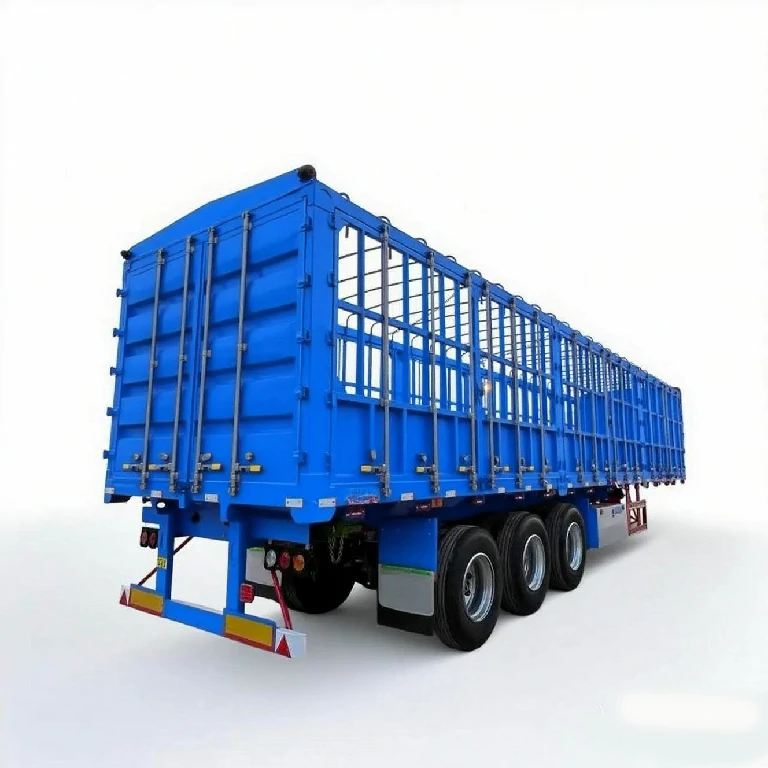
Standard Flatbed Semi Trailer Deck Height Ranges in Global Markets
Although deck height can be customized, most flatbed semi trailers used in international transport fall within a relatively consistent range.
In general, standard flatbed semi trailer deck height is between 1,200 mm and 1,500 mm. This range reflects a balance between structural strength, axle clearance, suspension design, and compatibility with standard loading infrastructure.
Lower deck heights, closer to 1,200 mm, are commonly preferred for:
- Heavy machinery and construction equipment
- Steel products and industrial materials
- Cargo with strict height limitations
Higher deck heights, closer to 1,500 mm, are more common when:
- Operating on uneven or poorly developed roads
- Using heavy-duty suspensions or larger tires
- Prioritizing ground clearance over cargo height
When buyers evaluate different flatbed configurations, deck height is usually reviewed alongside frame design and axle placement. Comparing multiple flatbed semi trailer structures helps buyers understand how small dimensional changes affect stability, loading efficiency, and compliance in actual transport scenarios.
Design Factors That Determine Deck Height
Deck height is not an isolated design choice. It is the outcome of several interconnected engineering decisions.
Suspension type is one of the most influential factors. Mechanical suspension systems typically result in higher deck heights, while air suspension allows for a more compact structure and, in some cases, adjustable ride height.
Axle configuration also affects deck height. Tri-axle designs intended for heavy loads often require additional clearance, which raises the deck. Tire size further contributes, as larger tires directly increase overall height.
Frame structure plays a critical role. Straight beam flatbeds usually have higher deck heights compared to low-profile or optimized frame designs. In some cases, manufacturers redesign cross-members and beam geometry to reduce deck height without compromising load-bearing capacity.
Finally, operating environment must be considered. Trailers used in construction zones, mining areas, or regions with poor road conditions may require increased clearance to protect suspension and braking components, even if that slightly limits cargo height.
Understanding these factors helps buyers evaluate whether a quoted deck height reflects thoughtful engineering or simply standard production limitations.
How Deck Height Affects Different Cargo Types
Different cargo categories place very different demands on deck height, making this parameter especially important for fleets handling mixed transport tasks.
For construction and infrastructure projects, flatbed trailers often carry excavators, loaders, and prefabricated components. A lower deck height simplifies loading, reduces ramp angles, and improves stability during transport.
In steel and industrial material transport, deck height influences both load distribution and securing methods. Heavy steel coils or plates benefit from a lower center of gravity, reducing stress on the frame and suspension over long distances.
For oversized or over-height cargo, deck height becomes a limiting factor. Even a small reduction in deck height can allow cargo to remain within legal height limits, avoiding special permits or route restrictions.
From an efficiency standpoint, deck height also affects fuel consumption. Higher decks increase aerodynamic drag and rolling resistance, especially at highway speeds. Over time, this contributes to higher operating costs for long-haul fleets.
Deck Height and Regulatory Compliance Across Regions
Regulatory compliance is a critical concern for international buyers and exporters.
Many countries enforce maximum vehicle height limits, often around four meters. Deck height directly reduces the available cargo height under these regulations. A poorly specified deck height can restrict the types of cargo a trailer can legally transport in certain markets.
Cross-border operations add another layer of complexity. A trailer optimized for one region may face limitations in another due to different height regulations or road conditions.
For this reason, experienced buyers work closely with semi truck trailer manufacturers that understand international standards and export requirements. Evaluating the production background and technical expertise of semi truck trailer manufacturers helps buyers ensure that deck height decisions align with both regulatory compliance and long-term operational needs.
How B2B Buyers Should Evaluate the Right Deck Height
Selecting the optimal deck height begins with a clear understanding of operational priorities.
Buyers should first identify their primary cargo types and maximum cargo height. This defines the acceptable deck height range.
Next, route conditions and infrastructure should be assessed. Long-haul highway operations typically favor lower deck heights for stability and efficiency, while mixed or off-road routes may require additional clearance.
Future flexibility is also important. Fleets evolve over time, and a deck height that supports a broader range of applications can deliver better long-term value.
Finally, communication with the manufacturer is essential. Adjusting deck height often requires coordinated changes to frame design, suspension, and axle placement. Manufacturers with strong engineering capabilities can optimize these elements without compromising safety or durability.
Why Fuyuan Is a Reliable Partner for Flatbed Semi Trailer Solutions
Fuyuan focuses on the design and manufacturing of flatbed semi trailers tailored to real-world transport requirements across international markets. With a strong emphasis on structural optimization, Fuyuan offers deck height solutions that balance load safety, efficiency, and regulatory compliance.
Supported by an experienced engineering team and stable production systems, Fuyuan delivers customized flatbed trailers for logistics companies, distributors, and project buyers worldwide. Beyond standard certifications, Fuyuan holds multiple patents, reflecting continuous improvement in trailer structure and manufacturing processes.
For buyers seeking a long-term manufacturing partner that understands both technical details and operational realities, Fuyuan provides flatbed semi trailer solutions designed for safer transport, higher efficiency, and sustainable fleet performance.



