


What Is the Ideal Tractor Trailer Fuel Tank Size for Efficient Fleet Operations?
March 13, 2026
When fleet managers ask about tractor trailer fuel tank size, the answer depends on operational range, cargo type, route conditions, and fuel efficiency goals. In general, tractor trailers are equipped with fuel tanks ranging from 100 to 300 gallons (380 to 1,135 liters), often using dual-tank systems to extend driving range and reduce refueling frequency. Choosing the ideal fuel tank size is not just a technical decision—it directly impacts logistics efficiency, fuel costs, and overall fleet productivity.
For B2B buyers and logistics operators, understanding fuel tank capacity is essential for optimizing long-haul transportation, minimizing downtime, and ensuring compliance with regional regulations. This guide explores fuel tank sizes, influencing factors, trailer compatibility, and how to select the right configuration for your operations.
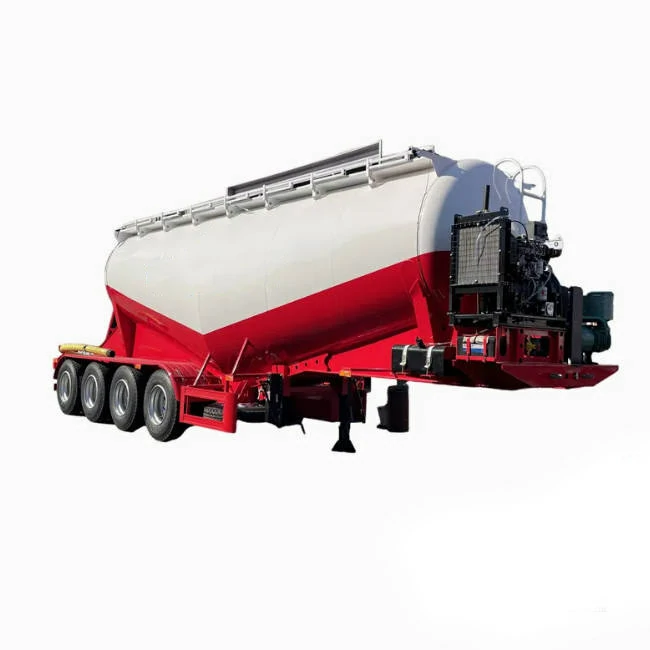
Standard Tractor Trailer Fuel Tank Sizes
Typical Capacity Ranges
Most tractor trailers operate within the following fuel tank capacity ranges:
- Single Tank Systems: 100–150 gallons (380–570 liters)
- Dual Tank Systems: 200–300 gallons (760–1,135 liters)
- Heavy-Duty Long-Haul Trucks: Up to 300+ gallons for extended routes
Dual tanks are widely used in long-distance logistics, allowing trucks to travel over 1,500 miles without refueling, depending on fuel consumption rates and load conditions.
Fuel Tank Materials
Fuel tanks are typically constructed from:
- Aluminum: Lightweight, corrosion-resistant, and widely used
- Steel: Stronger but heavier, often used in rugged environments
- Composite Materials: Emerging option with improved durability and weight efficiency
Material selection impacts payload capacity, fuel efficiency, and maintenance costs.
Factors Influencing Fuel Tank Size Selection
Route Distance and Logistics Planning
Long-haul operations require larger fuel tanks to minimize stops, while regional deliveries can operate efficiently with smaller tanks. For example:
- Cross-country logistics: Larger tanks for extended driving range
- Urban or regional delivery: Smaller tanks to reduce vehicle weight
Fuel Consumption and Engine Efficiency
Fuel tank size must align with engine fuel consumption rates. Trucks with higher horsepower engines or heavy loads consume more fuel, requiring larger tank capacities to maintain operational efficiency.
Weight Regulations and Payload Optimization
Larger fuel tanks add weight, which can reduce allowable cargo capacity. Fleet managers must balance fuel capacity with payload efficiency to maximize profitability.
Compatibility with Tank Trailers
Fuel transport operations often require coordination between tractor units and specialized trailers such as oil tank trailer systems. These trailers are designed for liquid transport and require precise compatibility with tractor fuel systems and operational range planning.
Fuel Efficiency and Operational Impact
Reducing Refueling Frequency
A larger fuel tank allows trucks to travel longer distances without stopping, reducing downtime and improving delivery schedules. This is especially beneficial for:
- Remote routes with limited fueling stations
- High-volume logistics operations
- Cross-border transportation
Cost Management
Fuel prices fluctuate, so having a larger tank enables operators to refuel strategically at locations with lower fuel costs. This can significantly reduce overall operational expenses.
Environmental Considerations
Optimizing fuel tank size also supports sustainability goals. Efficient fuel management reduces emissions by minimizing unnecessary stops and improving route planning.
For customized fleet solutions and technical consultation, contact our team here.
Fuel Tank Size vs Operational Performance
| Tank Size (Gallons) | Range (Miles) | Best Use Case | Advantages | Limitations |
|---|---|---|---|---|
| 100–150 | 600–900 | Regional transport | Lower weight, cost-effective | Frequent refueling |
| 200–250 | 1,000–1,300 | Mixed routes | Balanced range and payload | Moderate weight |
| 250–300+ | 1,300–1,800 | Long-haul logistics | Extended range, fewer stops | Higher weight, cost |
Table 1: Comparison of tractor trailer fuel tank sizes and operational performance
Integration with Tank Trailers and Specialized Transport
Fuel Transport and Tank Trailers
In industries involving liquid transport, such as oil and chemicals, tractor units often work in conjunction with tank trailer systems. These trailers require reliable fuel supply and consistent performance from the tractor unit to ensure safe and efficient delivery.
Safety and Compliance Requirements
Fuel tanks must comply with international safety standards, including proper sealing, pressure control, and fire resistance. Regular inspections and maintenance are essential to prevent leaks and ensure safe operation.
Custom Configurations
Many businesses require customized fuel tank solutions to match specific operational needs. Working with experienced truck trailer manufacturers allows for tailored designs, including tank size adjustments, dual-tank systems, and optimized mounting configurations.
Maintenance and Best Practices for Fuel Tanks
- Conduct regular inspections for leaks, corrosion, or damage
- Clean tanks periodically to prevent contamination
- Monitor fuel consumption and efficiency metrics
- Ensure proper sealing and ventilation systems
- Replace worn components promptly to avoid operational risks
Proper maintenance extends the lifespan of fuel tanks and ensures consistent performance across the fleet.
FAQ
Q1: What is the most common tractor trailer fuel tank size?
A: Dual tanks with a total capacity of 200–300 gallons are the most common for long-haul operations.
Q2: How far can a truck travel on a full tank?
A: Depending on fuel efficiency and load, trucks can travel between 600 and 1,800 miles.
Q3: Are larger fuel tanks always better?
A: Not necessarily. While they reduce refueling frequency, they add weight and may reduce payload capacity.
Q4: Can fuel tank size be customized?
A: Yes, many manufacturers offer custom configurations to match operational requirements and regulatory standards.
Q5: How does fuel tank size affect operational costs?
A: Larger tanks allow strategic refueling and fewer stops, reducing overall fuel and labor costs.
Why Choose Fuyuan for Semi Trailer Solutions
Fuyuan is a professional semi trailer supplier providing high-quality, durable, and customizable solutions for global logistics operations. Our expertise extends across fuel transport systems, including oil tank trailers, advanced tank trailer configurations, and tailored fleet solutions.
We offer:
- Custom-designed trailers and fuel system integration
- High-quality materials for durability and safety
- Compliance with international standards
- Comprehensive after-sales support and technical guidance
By partnering with Fuyuan, businesses gain a reliable supplier capable of optimizing fleet efficiency, reducing operational costs, and ensuring long-term performance.
References



