


How to Choose the Right Flatbed Semi Trailer Weight Capacity for Your Cargo?
January 30, 2026
For logistics managers, fleet operators, and B2B buyers, knowing how to choose the right flatbed semi trailer weight capacity is essential for safe, efficient, and cost-effective transportation. The weight capacity determines how much cargo can be safely transported in a single trip, impacts regulatory compliance, affects fuel efficiency, and influences overall fleet utilization. Selecting the correct trailer capacity ensures operational safety, maximizes efficiency, and reduces wear and tear on both the trailer and towing tractor.
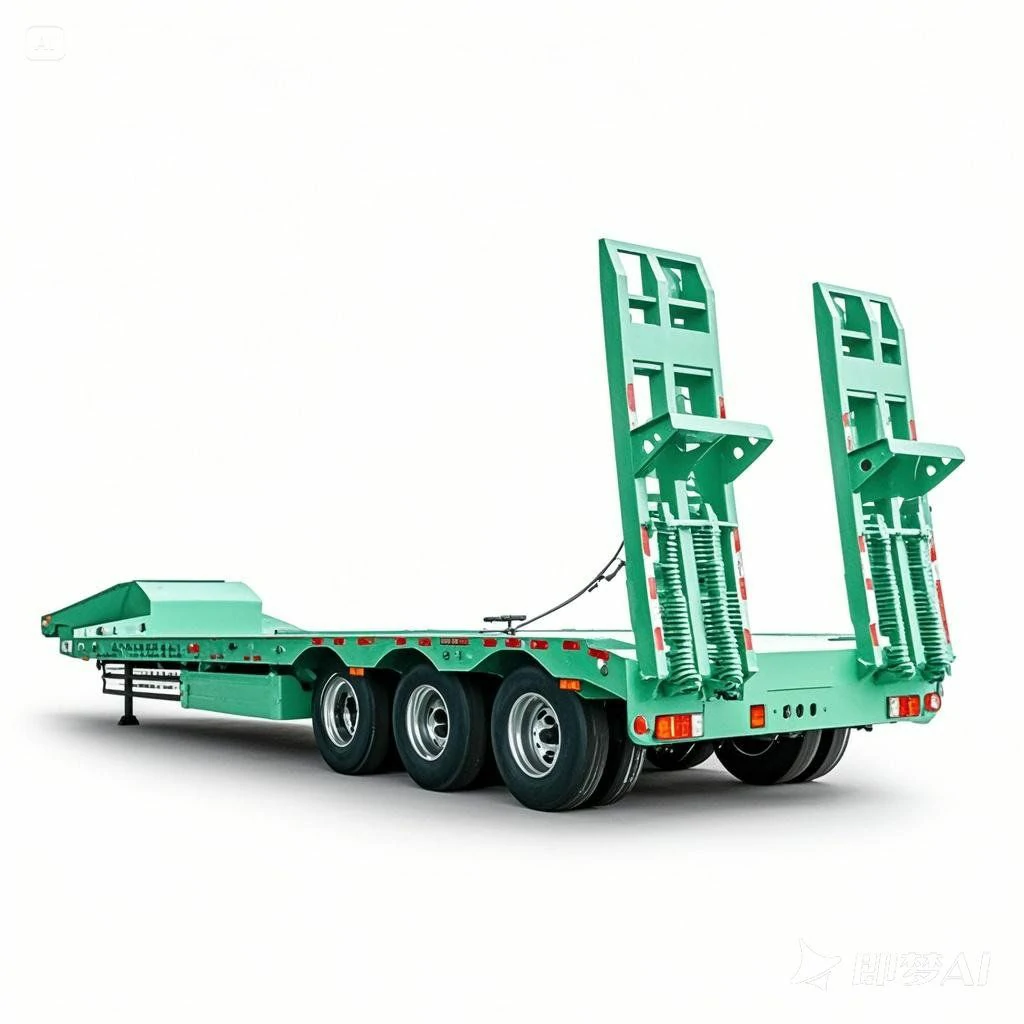
A flatbed semi trailer for sale with a properly rated weight capacity enables businesses to transport heavier equipment, industrial machinery, or construction materials in fewer trips. This not only reduces fuel and labor costs but also minimizes the risk of overloading accidents, axle failure, or premature tire wear.
Understanding weight capacity also helps B2B buyers plan fleet expansion, select appropriate axles and suspension systems, and comply with local and international transportation regulations.
What Determines Flatbed Semi Trailer Weight Capacity?
Trailer weight capacity is not arbitrary—it depends on a combination of design factors and material specifications.
Axle Configuration
The number of axles directly influences load distribution. More axles allow for higher weight capacities, improve stability, and reduce stress on individual tires.
Chassis Strength and Materials
Reinforced steel frames or high-strength aluminum alloys enhance structural integrity, allowing the trailer to carry heavier loads without compromising safety.
Deck Construction
Deck material, thickness, and cross-bracing contribute to weight-bearing capability. Trailers designed for heavy machinery often include additional support beams or modular reinforcements.
Tire and Suspension Ratings
Tires and suspension systems must match or exceed the trailer’s intended load. Incorrect specifications can lead to accidents, regulatory violations, and increased maintenance costs.
Types of Flatbed Semi Trailers Based on Weight Capacity
Understanding the types of trailers helps companies match cargo needs to the correct trailer design.
Standard Flatbed Semi Trailers
Standard flatbeds carry moderate loads, generally between 20 and 30 tons. They are ideal for pallets, construction materials, or medium-weight industrial equipment.
Heavy-Duty Flatbeds
Heavy-duty flatbeds can transport 30–40 tons of cargo. They often feature additional axles, reinforced frames, and enhanced suspension to maintain stability during transit.
Semi Lowbed Trailers
Semi lowbed trailer models provide low deck heights and high weight capacity, making them perfect for heavy machinery, transformers, and oversized equipment. Lowbed trailers reduce center-of-gravity concerns and facilitate loading of tall or bulky cargo.
Benefits of Selecting the Right Weight Capacity
Safety
Overloading a trailer can compromise vehicle stability, cause axle or tire failure, and increase accident risk. A properly rated trailer ensures cargo is transported safely and legally.
Cost Efficiency
Higher-capacity trailers reduce the number of trips required, cutting fuel, labor, and maintenance costs.
Operational Flexibility
Trailers with different weight ratings allow fleets to handle diverse cargo types efficiently, supporting both general freight and specialized heavy-duty transport.
Contact us to get expert guidance on selecting the optimal flatbed semi trailer for your cargo.
Comparison of Trailer Types and Weight Capacities
| Trailer Type | Weight Capacity (tons) | Axles | Ideal Cargo | Notes |
|---|---|---|---|---|
| Standard Flatbed | 20–30 | 2–3 | Pallets, construction materials | Versatile, widely used |
| Heavy-Duty Flatbed | 30–40 | 3–4 | Industrial machinery, steel | Reinforced frame required |
| Semi Lowbed Trailer | 40–60 | 4–5 | Excavators, large machinery | Low deck height, specialized use |
| Flatbed Semi Trailer | 25–50 | 2–4 | Industrial equipment, oversized cargo | Flexible options for multiple industries |
Table 1: Comparison of flatbed semi trailer types by weight capacity
Practical Industry Applications
In construction, standard flatbeds transport lumber, steel beams, and pre-fabricated components efficiently. Heavy-duty flatbeds handle industrial machinery and bulk materials, while flatbed semi trailer models provide versatility for oversized or high-volume cargo. Semi lowbed trailers are crucial for moving tall or heavy equipment safely with low center-of-gravity support.
Considerations for Fleet Operators
Regulatory Compliance
Operators must ensure trailers comply with local weight limits for highways, bridges, and permits. Exceeding these limits may result in fines, operational delays, or damage to infrastructure.
Load Distribution
Even weight distribution across axles prevents overloading, enhances stability, and reduces tire and suspension wear.
Driver Training
Heavier loads require skilled drivers capable of handling longer braking distances, reduced maneuverability, and proper coupling techniques for trailers with high weight capacities.
Maintenance Requirements
Trailers carrying heavier loads require robust maintenance schedules, including regular inspections of tires, brakes, axles, and chassis integrity, to ensure safety and longevity.
FAQs About Flatbed Semi Trailer Weight Capacity
Q1: How do I determine the correct weight capacity for my cargo?
A1: Evaluate the maximum cargo weight, dimensions, and frequency of transport. Select a trailer with a safety margin above your peak load.
Q2: Can semi lowbed trailers carry more than standard flatbeds?
A2: Yes, semi lowbed trailers are designed for heavy, oversized equipment and can carry 40 tons or more safely.
Q3: Are there legal limits for trailer weight capacity?
A3: Yes, weight regulations vary by country and region, covering maximum vehicle weight and axle load limits.
Q4: How does weight capacity affect maintenance?
A4: Higher loads increase stress on tires, axles, and suspension, necessitating more frequent inspections.
Q5: Can I use a flatbed semi trailer for mixed cargo?
A5: Yes, flatbeds with moderate to high weight capacity can accommodate different cargo types, provided weight distribution and tie-downs are properly managed.
Why Choose Fuyuan for Your Flatbed Semi Trailer Needs
Fuyuan specializes in manufacturing high-quality semi trailer truck solutions designed for industrial and commercial B2B clients. Our trailers are engineered for optimal flatbed semi trailer weight capacity, ensuring safety, stability, and operational efficiency. We provide a range of solutions, including semi lowbed trailer models for heavy equipment and versatile flatbed semi trailer designs for multiple cargo types. Fuyuan offers professional consultation, reliable delivery, and after-sales support, helping clients optimize fleet performance and transport cargo safely and efficiently.
References



